Path
In 2025, we're not just introducing new plates and pairings, we're shaping a year through learning, creating, and growing together.
The journeys we've embarked on, the notes we've taken, and the connections we've built have left a mark not only on our menu, but on the spirit of our restaurant.
Each step has deepened our understanding of the land, the seasons, and the people we walk this path with.
🍹Bram Klinge & A New Expression of Aegean Non-Alcoholic Pairings
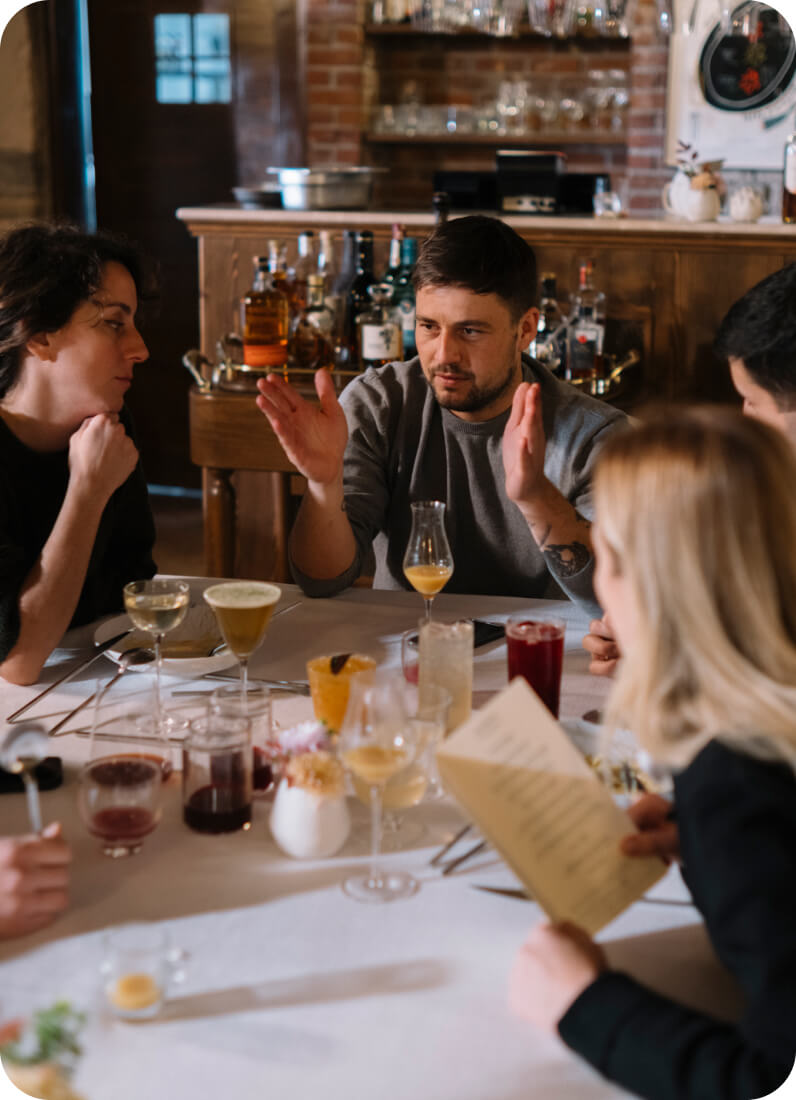
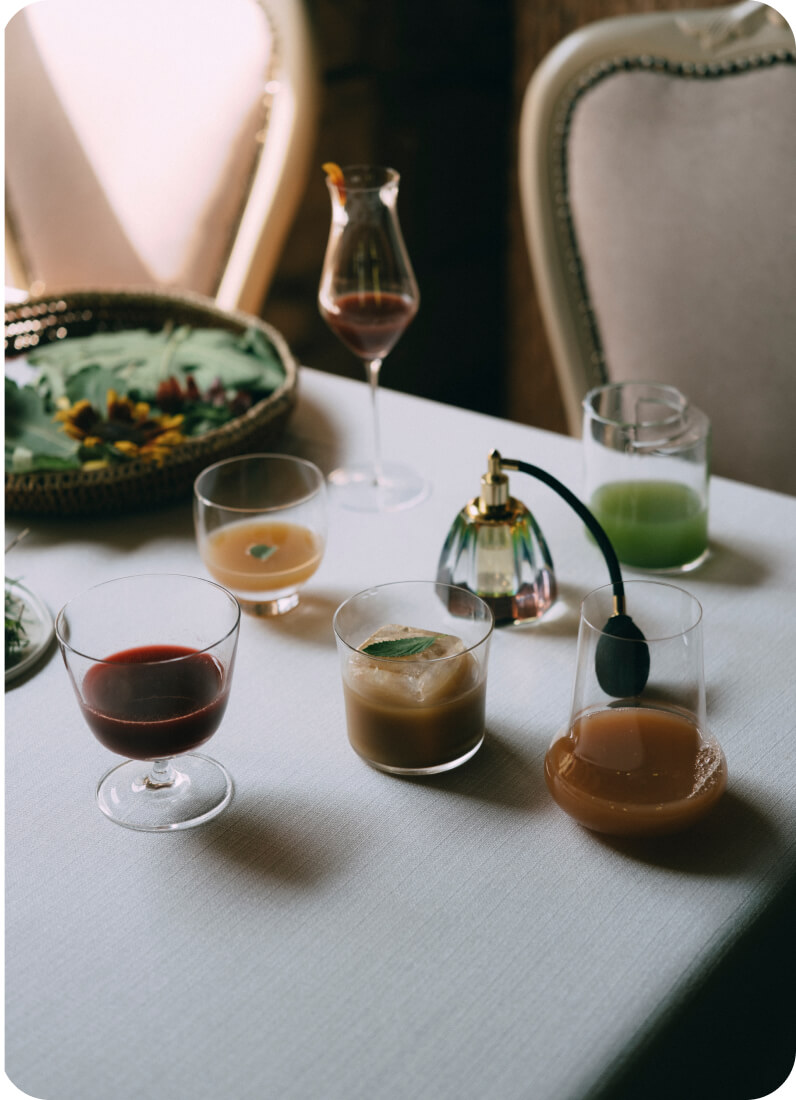
In January 2026, we began working with Bram Klinge on non-alcoholic pairings at Vino Locale. Built around the produce of the Aegean, our garden and fermentation techniques, this collaboration led to the creation of a distinctive non-alcoholic pairing menu.
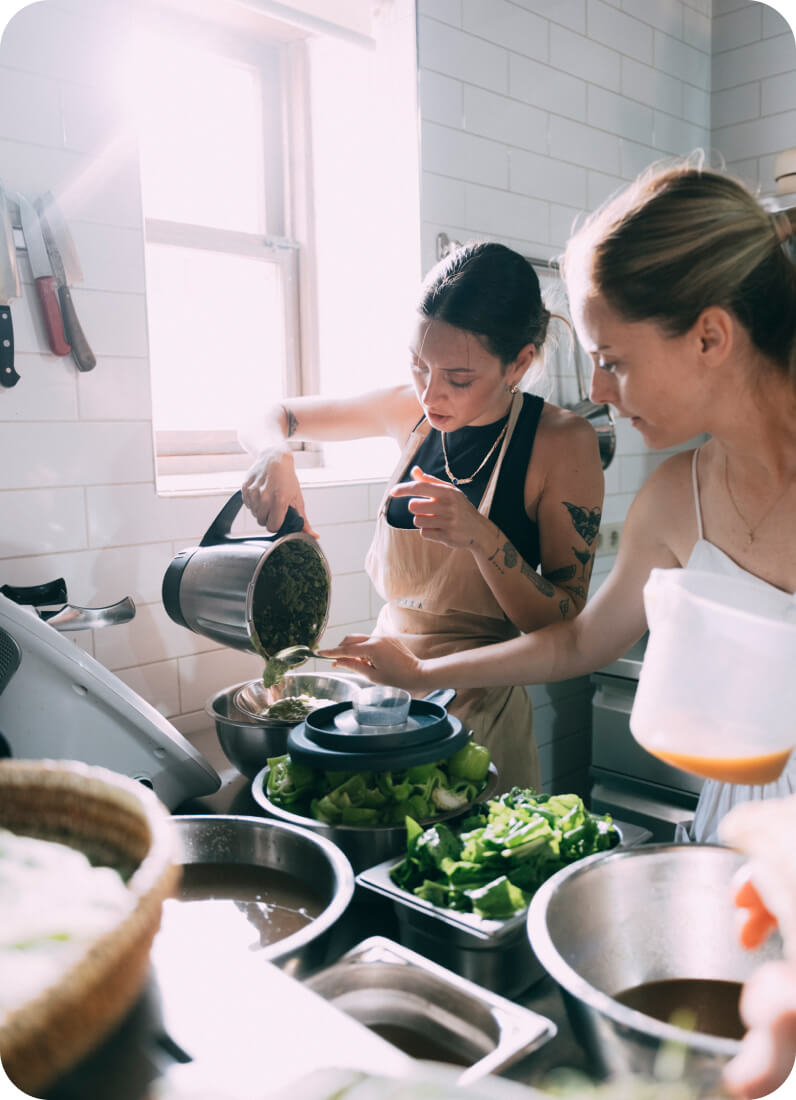
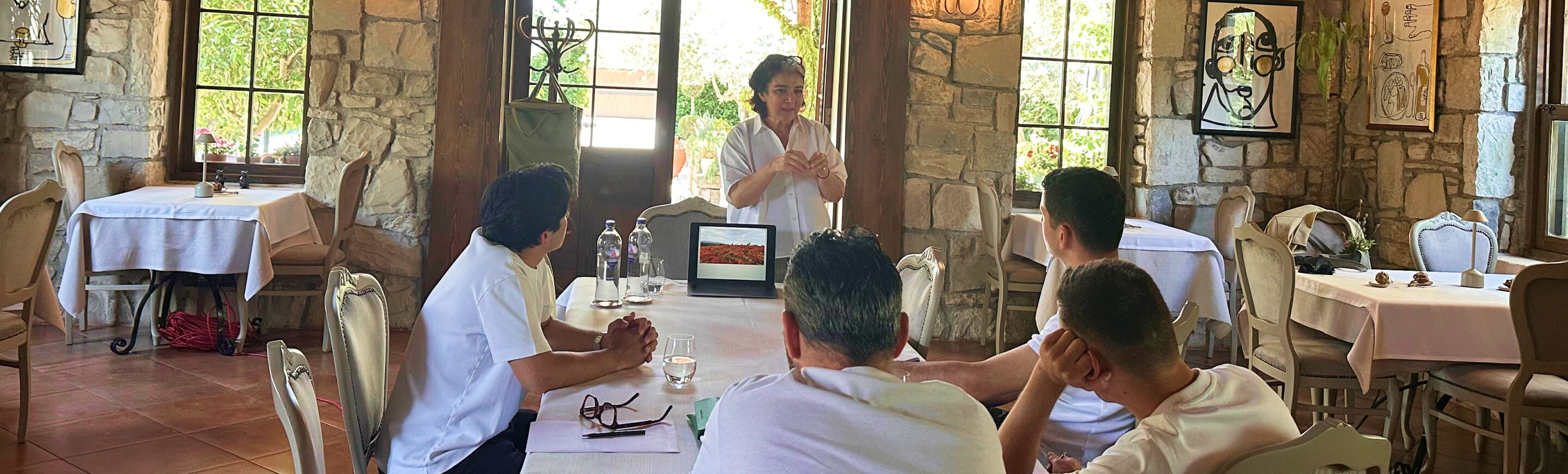
Our time with Bram went beyond creating new drinks for the menu. He also worked with our kitchen and service teams, sharing different fermentation techniques and the finer details of the process. We place great importance on continually developing our team's knowledge, making this exchange one of the most valuable parts of our collaboration.
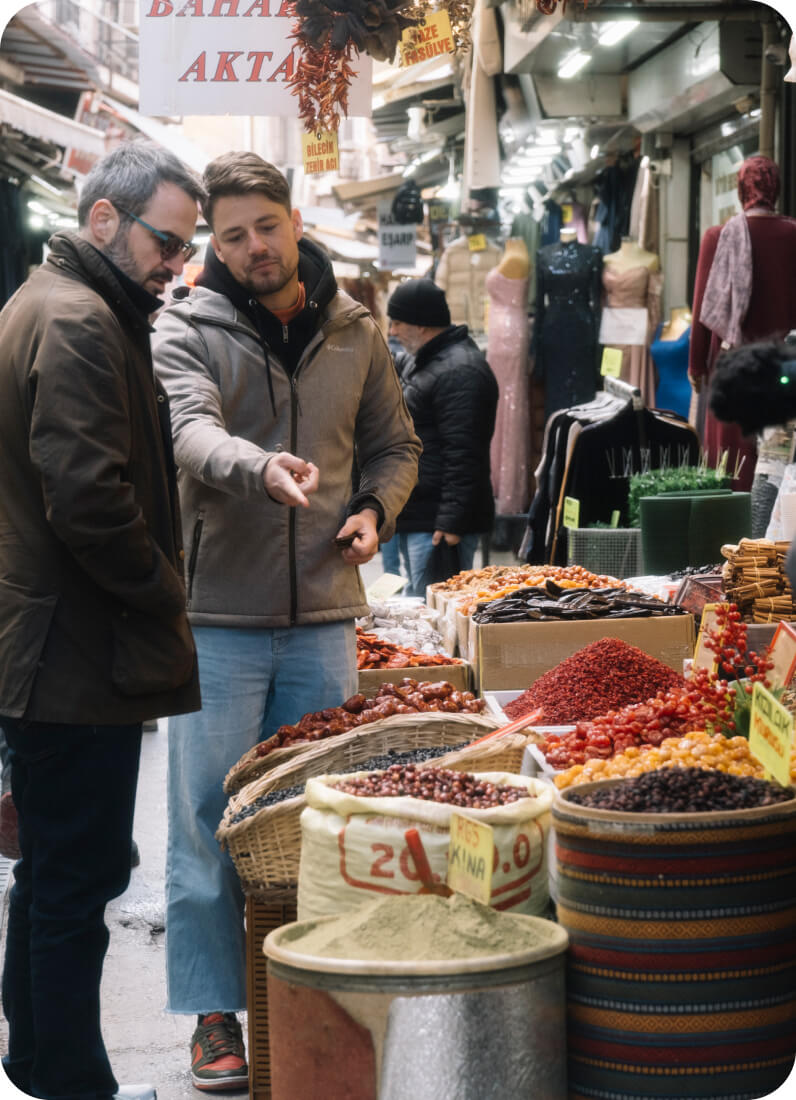
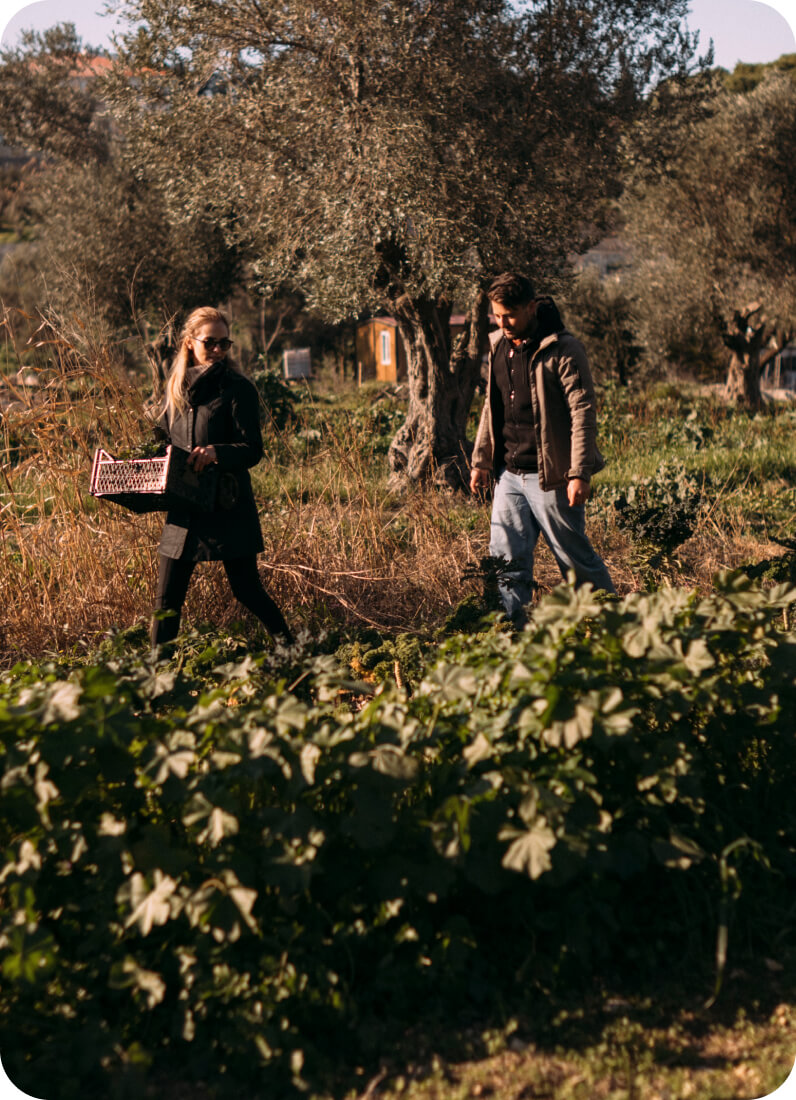
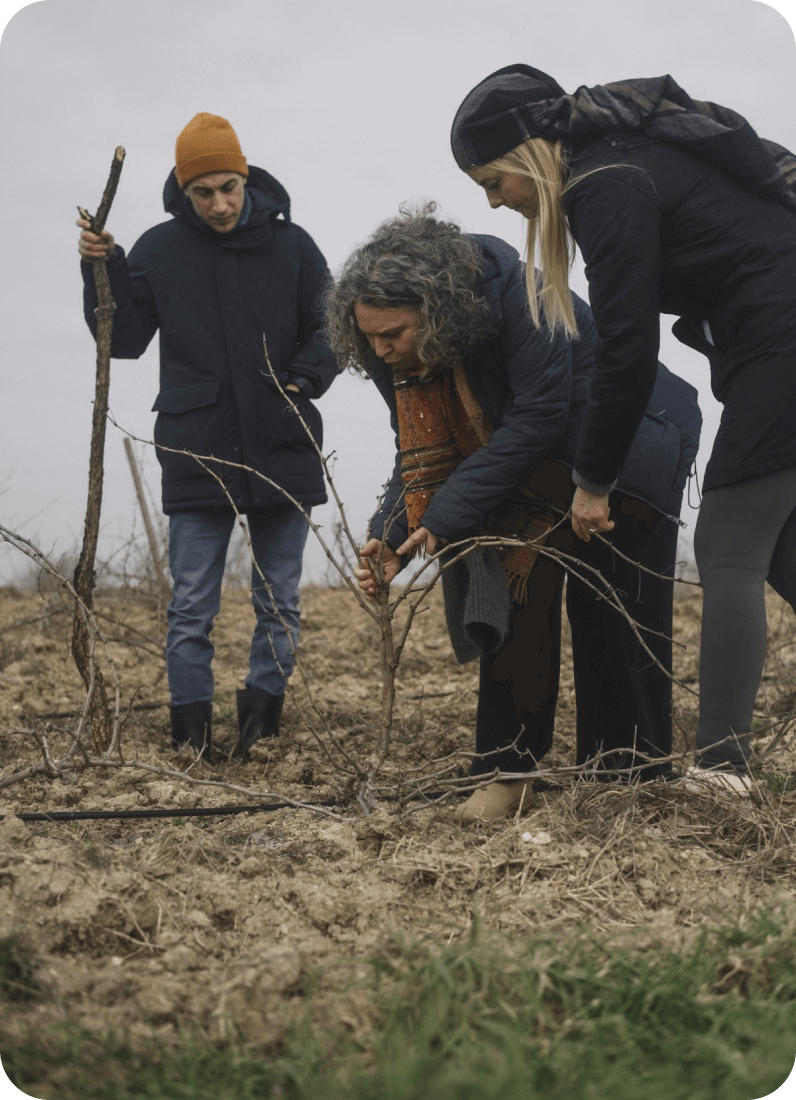
In June, as new ingredients came into season, we came together again. We visited our fields, met with our producers and continued developing pairings around the ingredients available. What began with Bram continues today in the hands of our team, evolving with each change of menu and season.
🇹🇷 Vino Locale in Rome for Turkish Cuisine Week
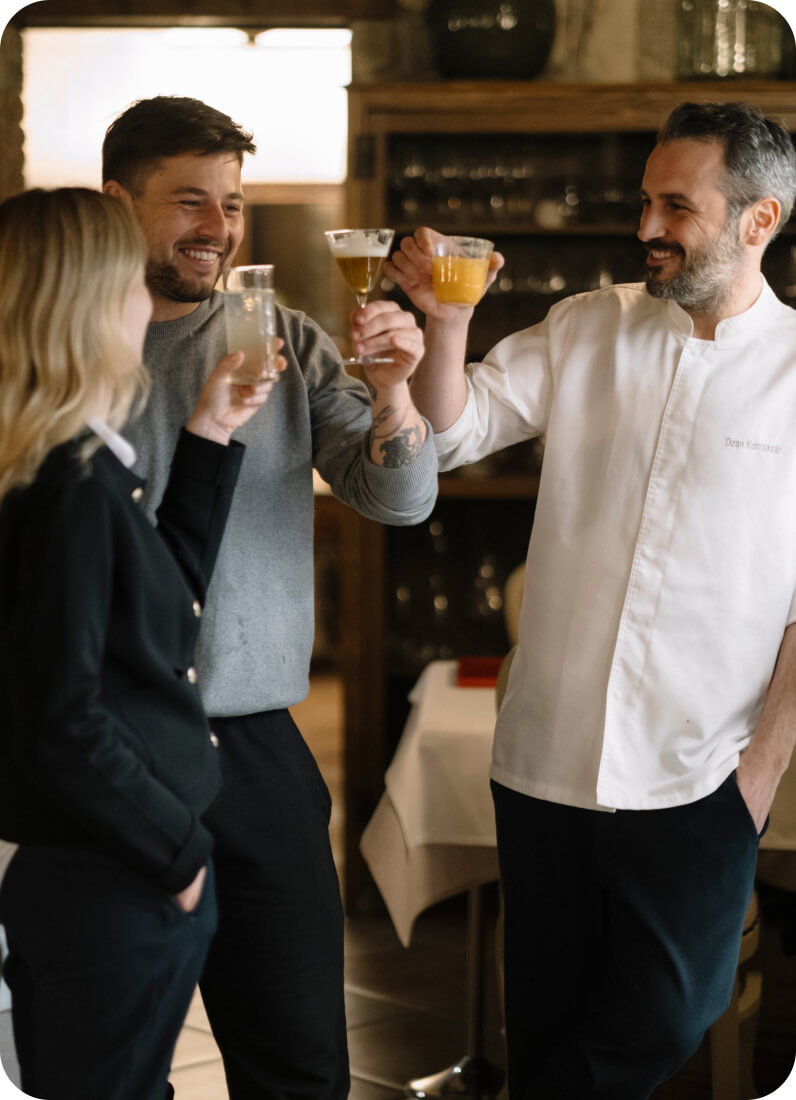
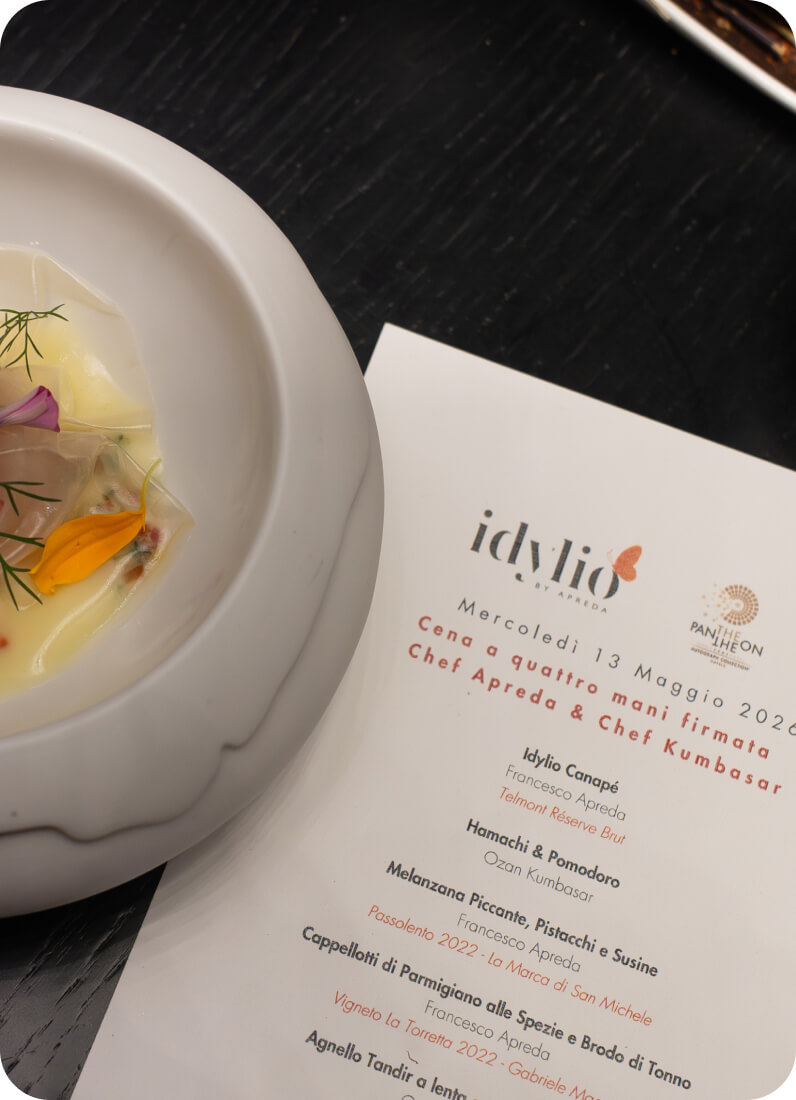
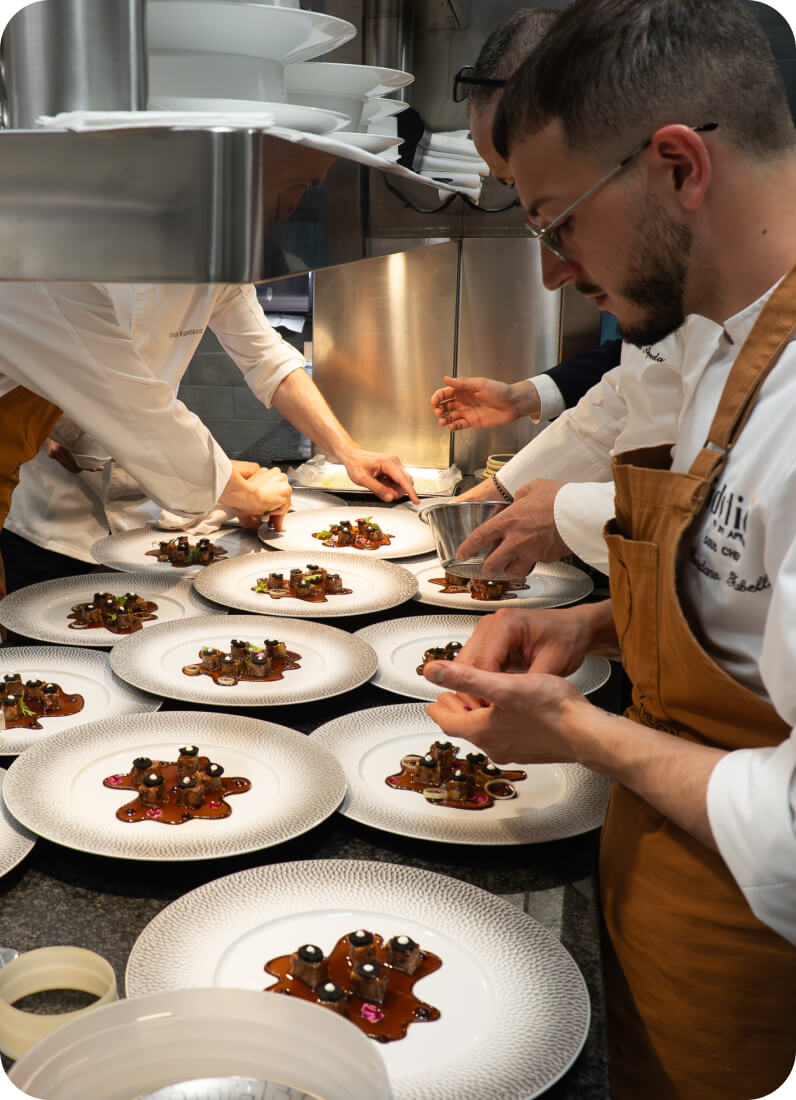
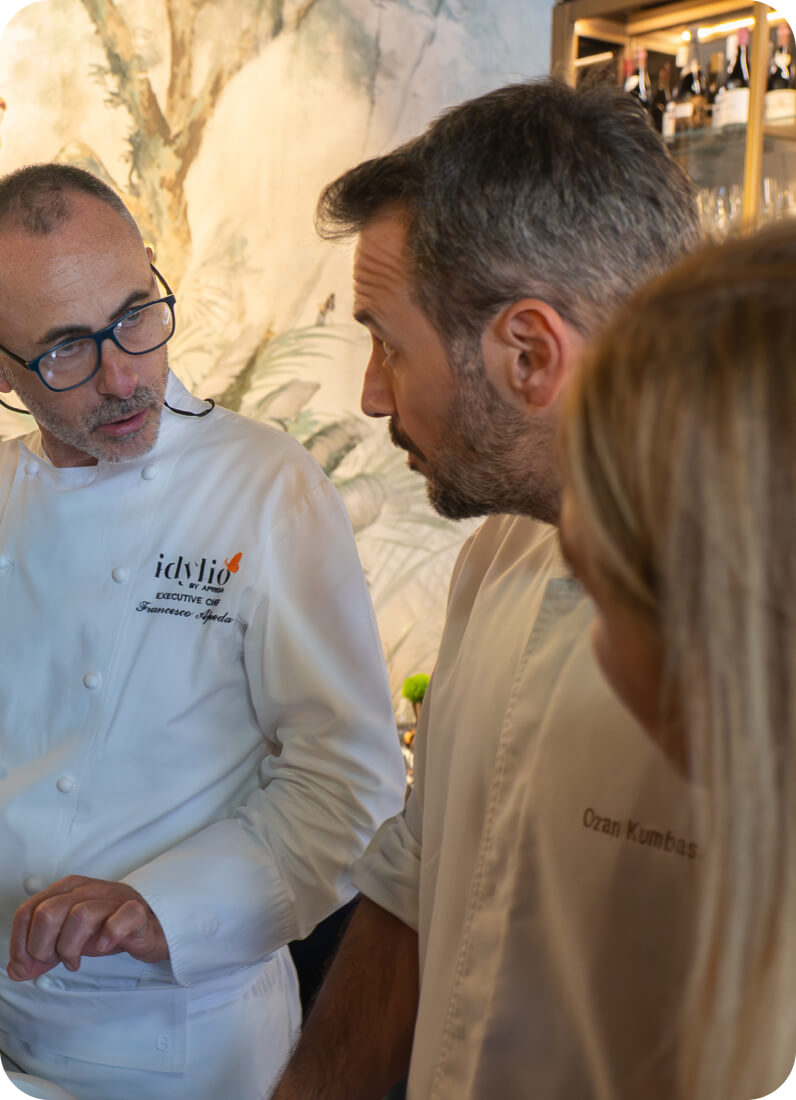
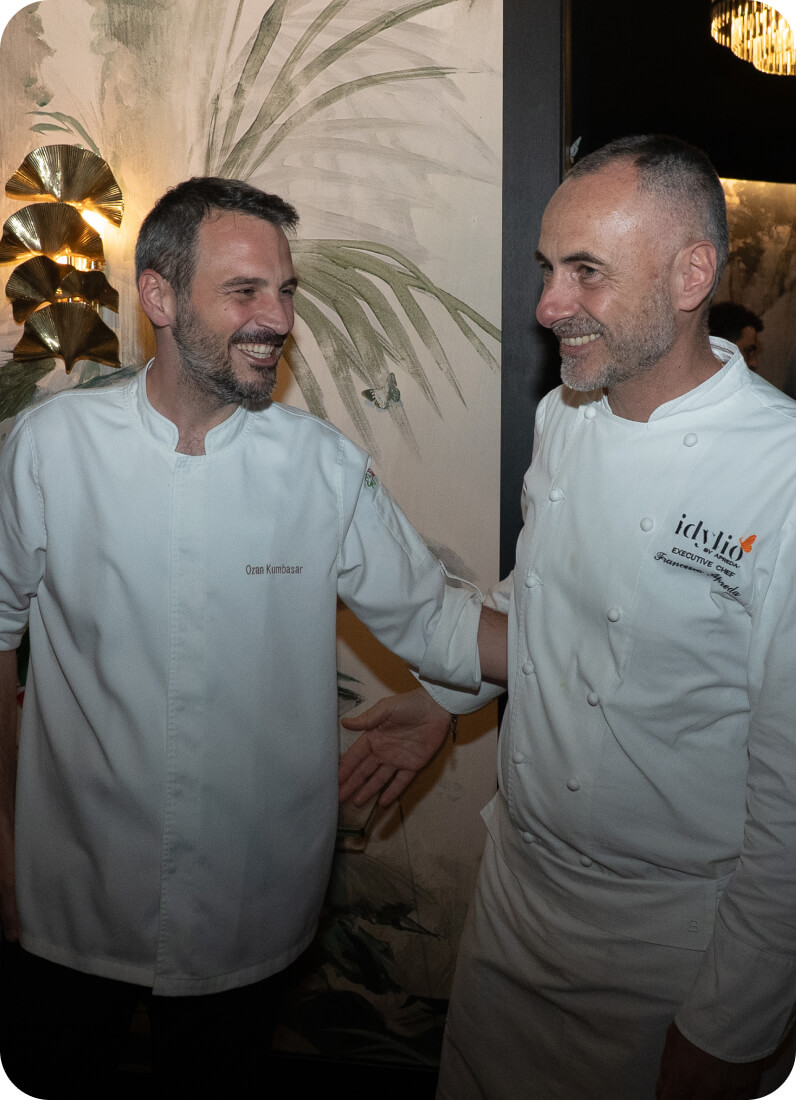
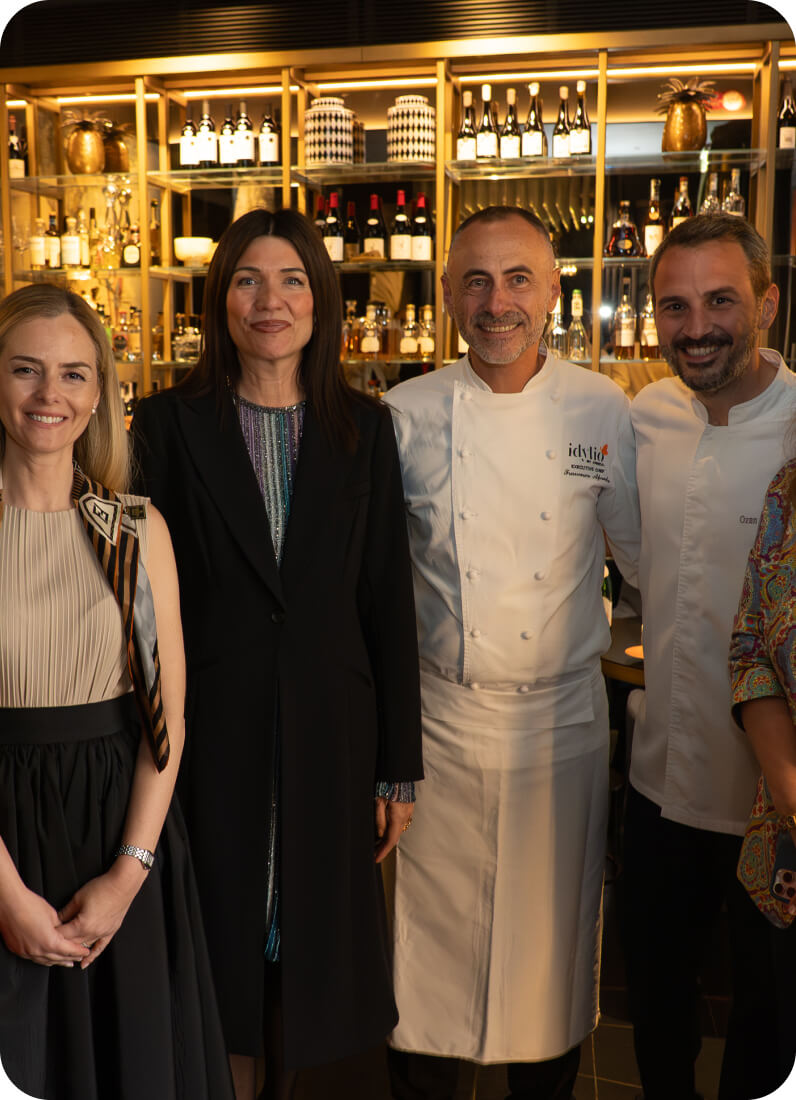
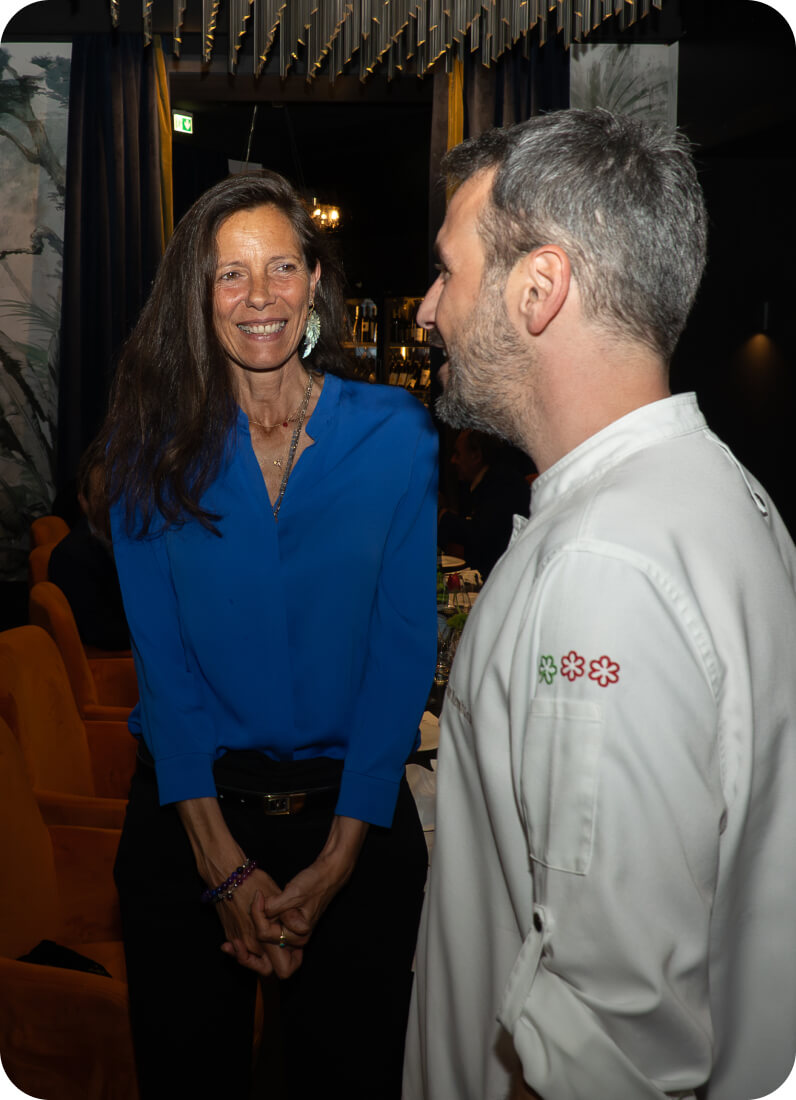
As part of Turkish Cuisine Week, held from 21 to 27 May 2026, the Embassy of the Republic of Türkiye in Rome organised a special four-hands dinner at the Michelin-starred Idylio by Apreda.
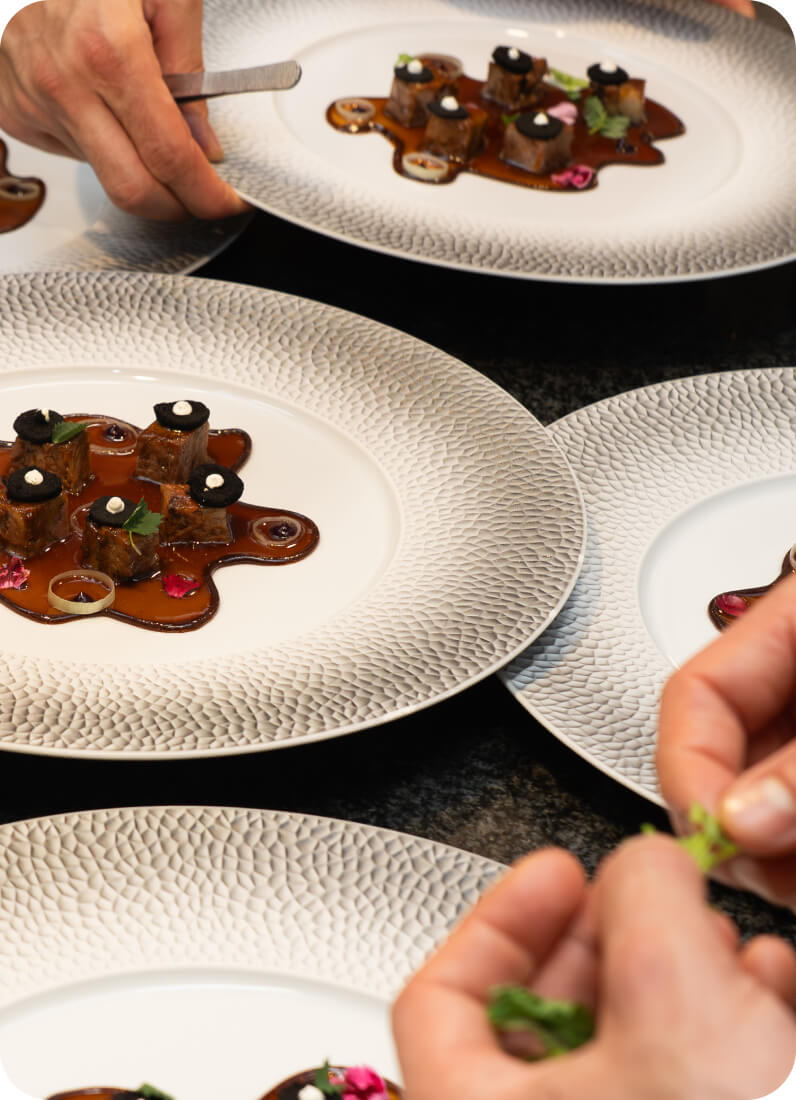
Chef Ozan Kumbasar joined Italian chef Francesco Apreda to create a menu inspired by the culinary traditions and ingredients of both countries. Bringing together traditional techniques from Anatolia, seasonal produce from the Aegean and their individual approaches to cooking, the two chefs shared a menu that reflected both their backgrounds.
For us at Vino Locale, it was a valuable opportunity to bring our relationship with local producers, our approach to cooking and the culinary heritage of the Aegean to Rome, while contributing to a wider appreciation of Turkish cuisine internationally.
🏺 Tracing the Roots of Bornova Muscat
For the past eight years, we have been working to encourage the production of Bornova Muscat in our region, supporting its development in a range of styles, with a particular focus on dry wines, and helping it find a greater place at the table. Along the way, we have worked closely with the winemakers of the Urla Wine Route, encouraging them to explore different approaches to this local grape. Seeing their individual interpretations take shape, from dry and sparkling wines to natural expressions, has been especially rewarding.
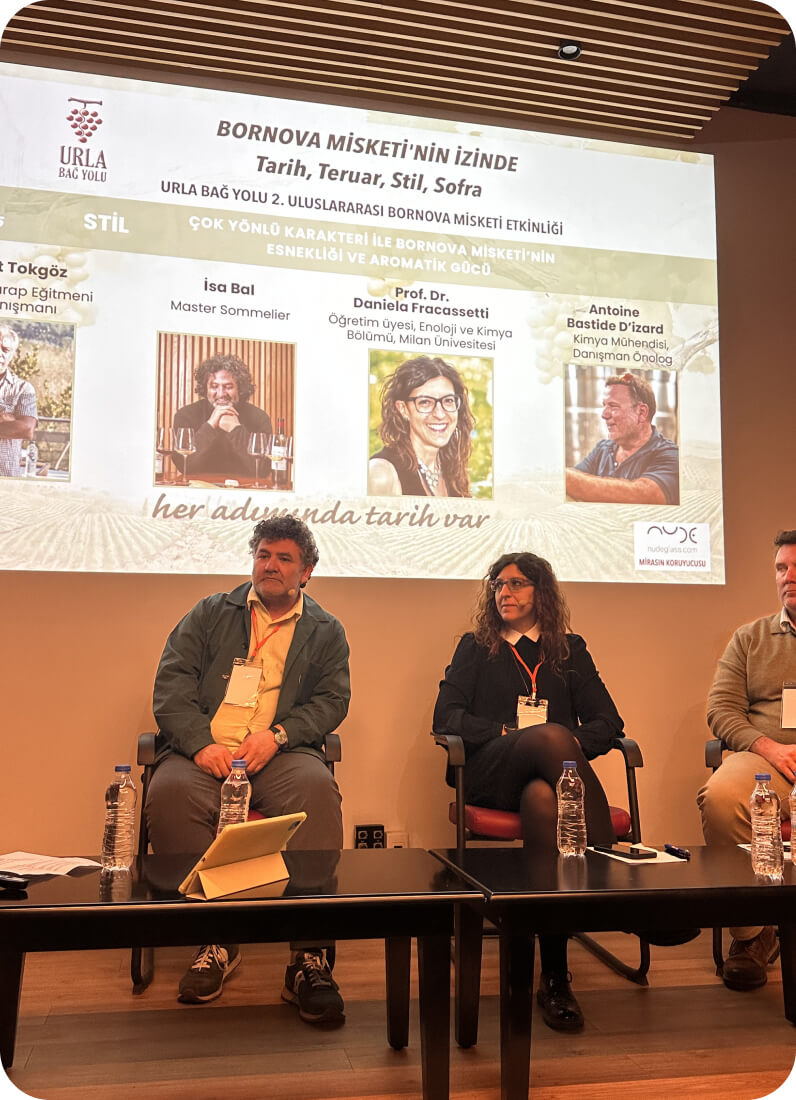
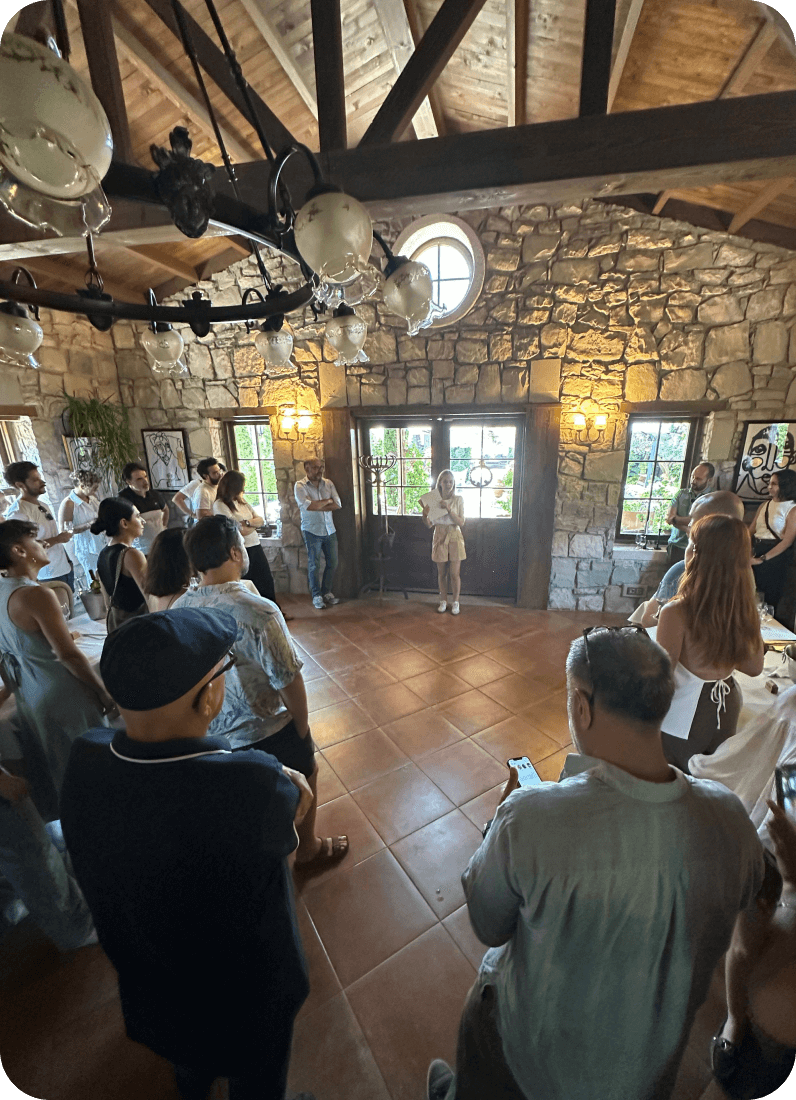
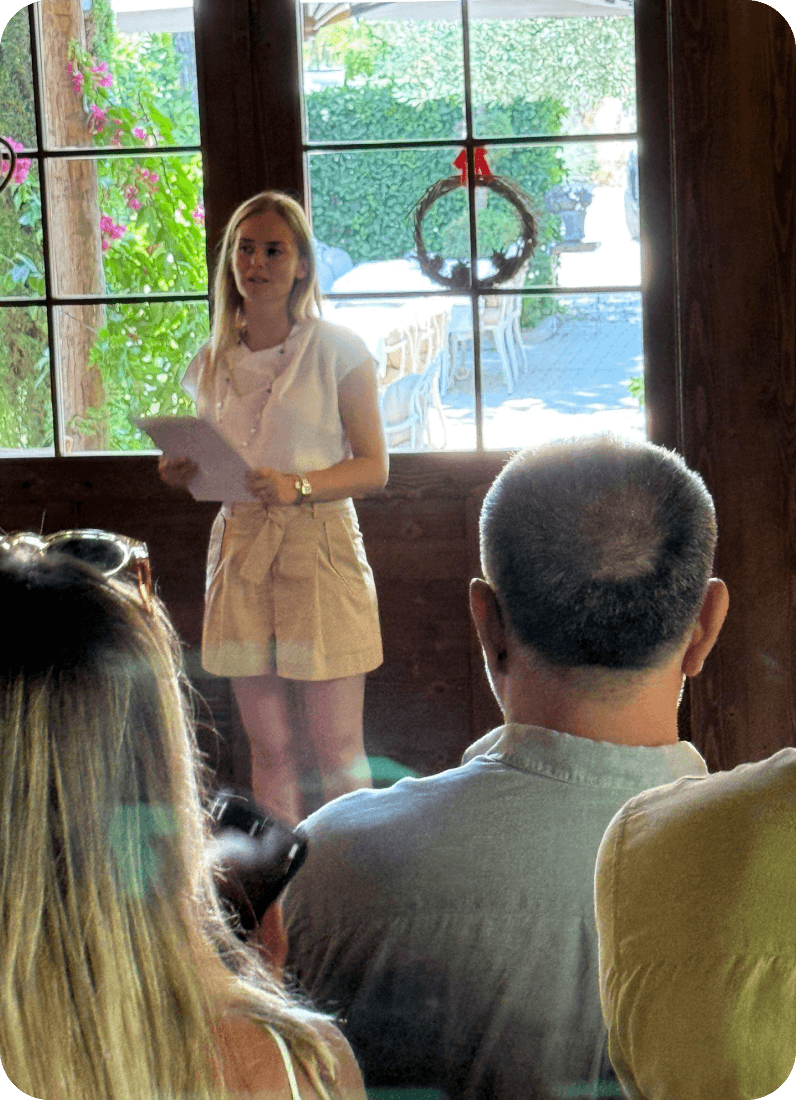
From 7 to 9 May 2026, we joined forces with the Urla Wine Route to bring together winemakers, chefs, academics, wine professionals and members of the press for three days dedicated to Bornova Muscat.
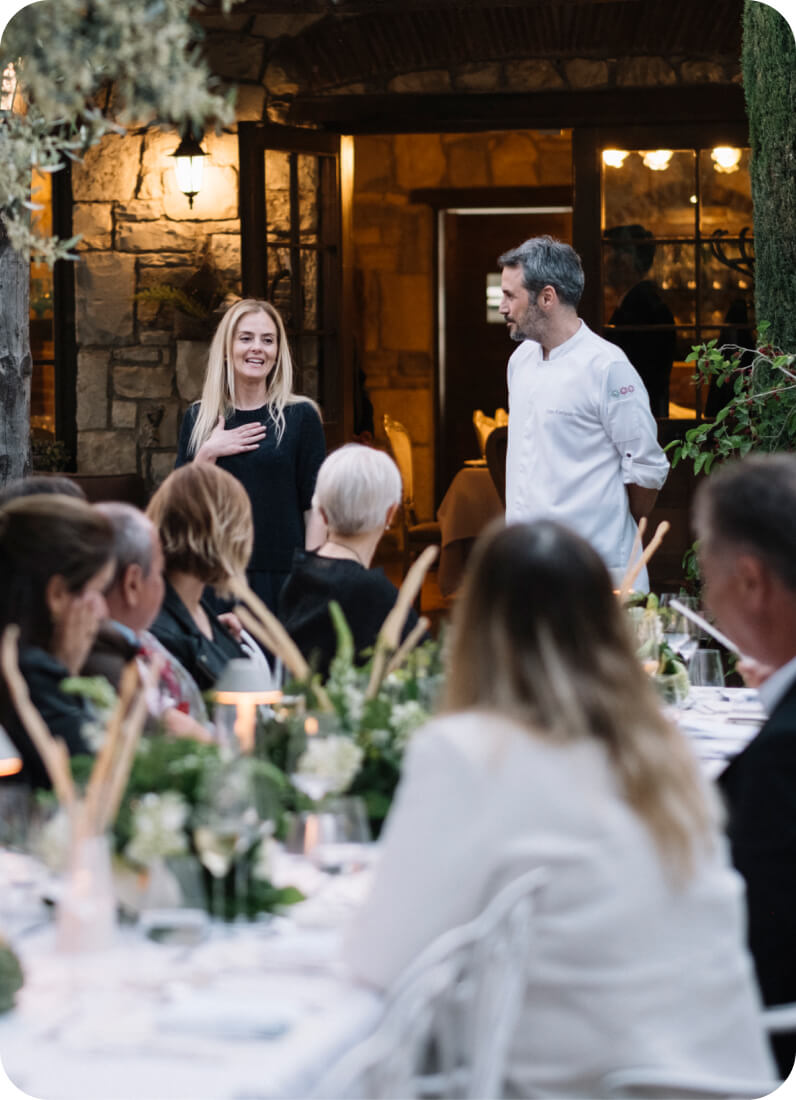
We began with a dinner at Vino Locale, where Ozan created a menu paired entirely with Bornova Muscat wines from local producers. From traditional söğüş to asparagus, we wanted to show just how versatile dry Muscat can be at the table, and how different expressions of the same grape can accompany a meal from beginning to end. More than anything, we hoped to encourage fellow restaurants to give these wines a greater presence on their wine lists and in their pairings.
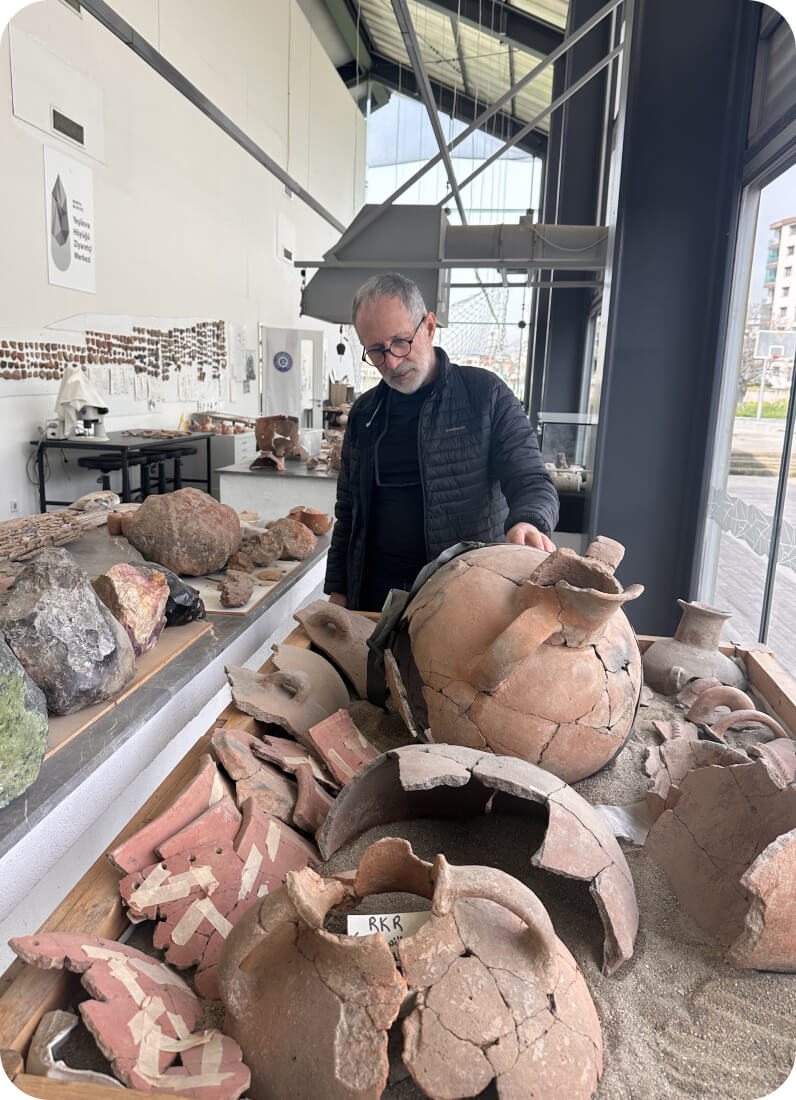
The following day was devoted to tastings, bringing together Muscat wines from around the world alongside those of the Urla Wine Route. It was also an opportunity for local winemakers to introduce their sparkling, natural and other interpretations of Bornova Muscat. On the final day, we gathered at the Yeşilova archaeological site for discussions with experts in archaeology, viticulture, oenology and gastronomy, exploring the grape's history and the possibilities ahead.
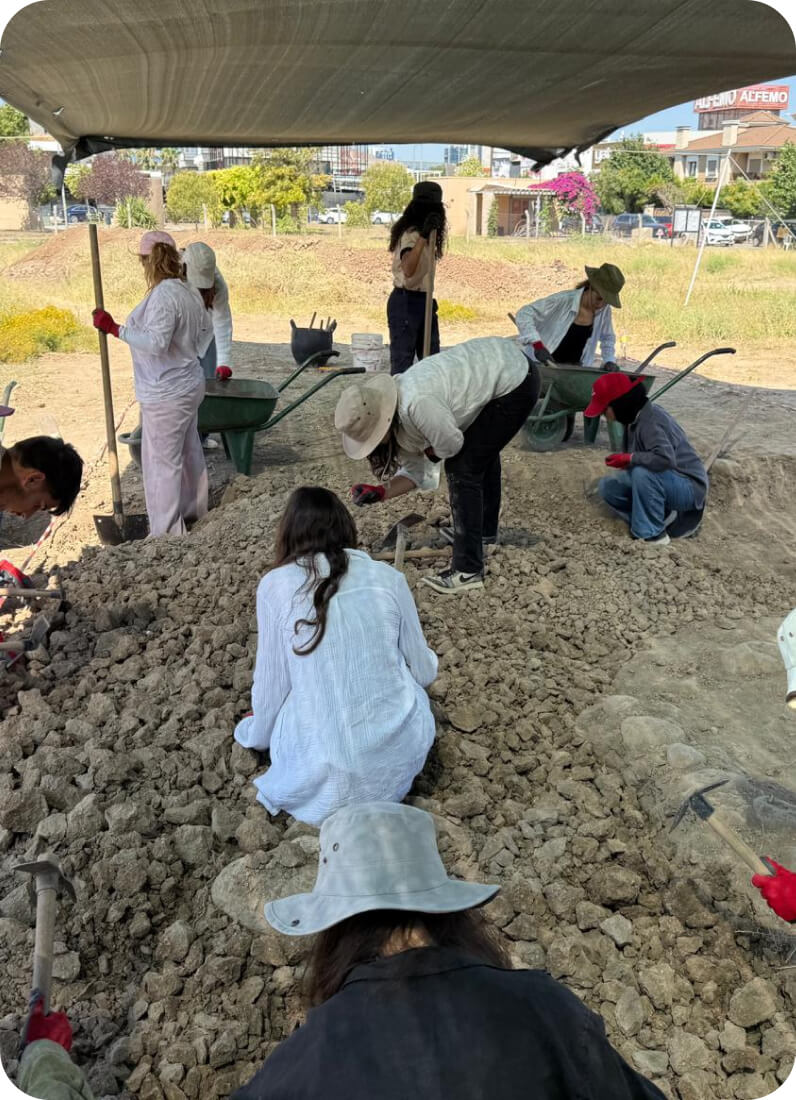
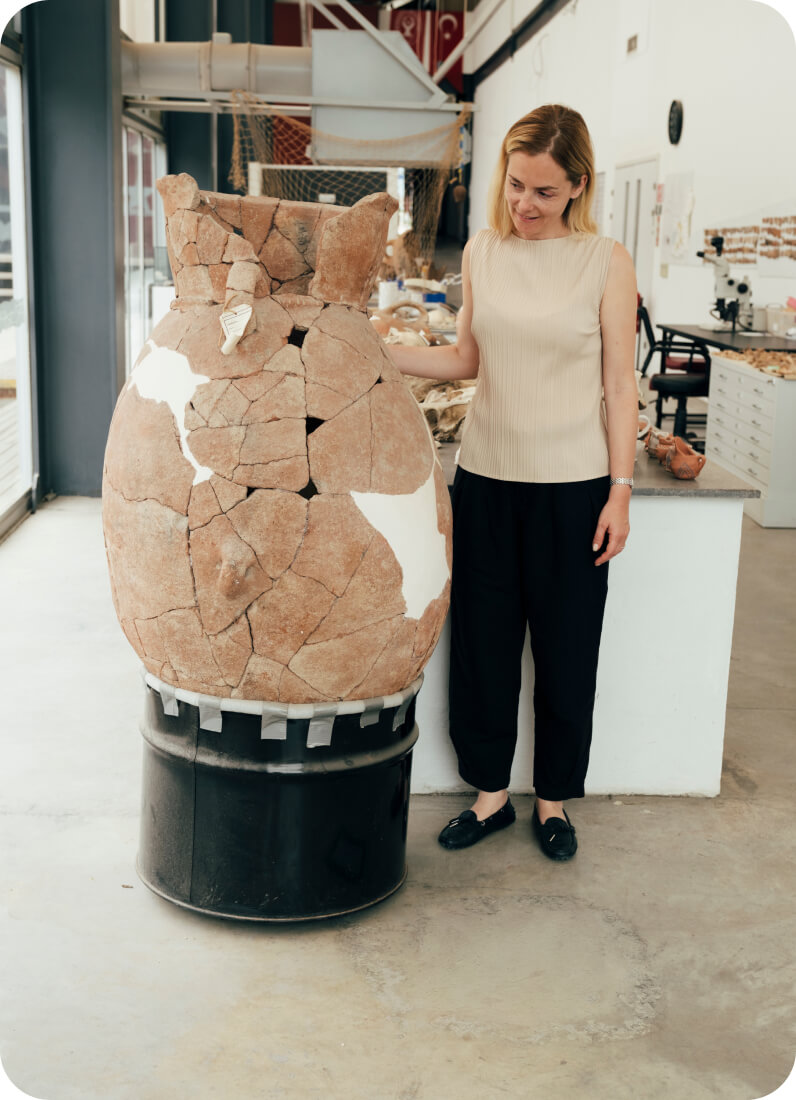
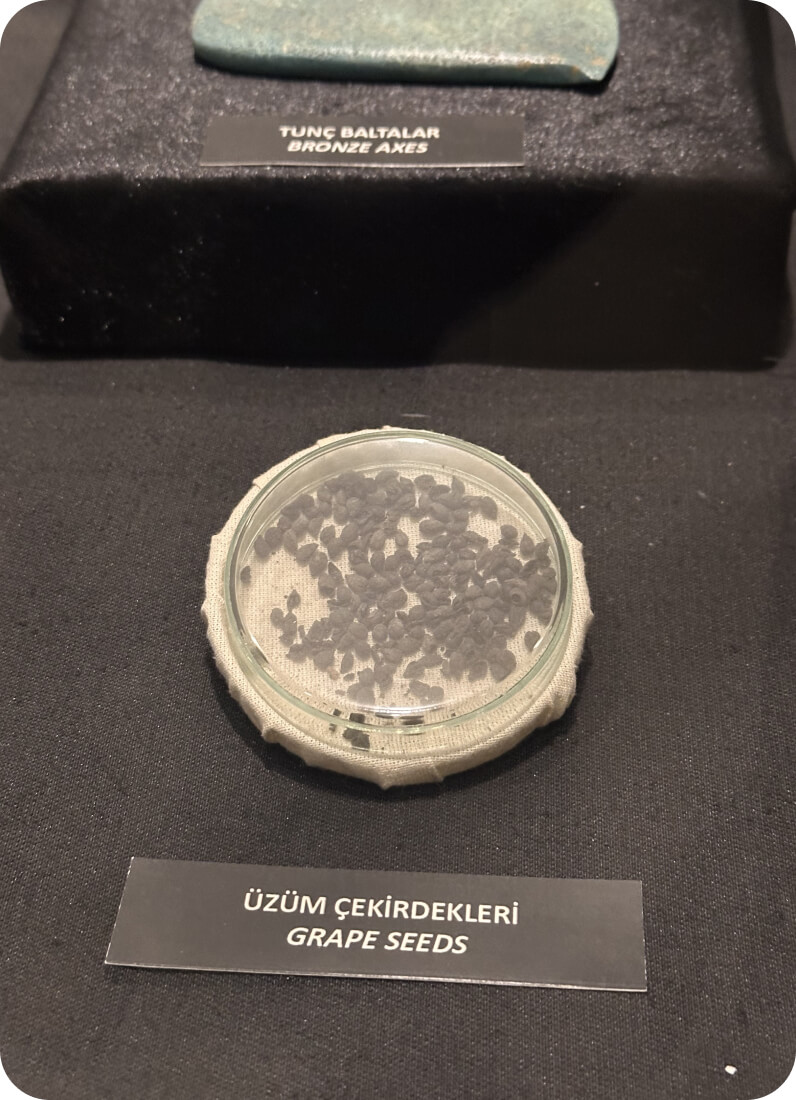
Our interest in Bornova Muscat also extends to its origins. Funds raised through last year's Muscat Call event were donated to support research into ancient grape seeds discovered during archaeological excavations. The seeds are being studied at a university in Italy to determine whether they belong to the Muscat family. This summer, we also joined the ongoing archaeological fieldwork as volunteers. After so many years spent supporting the grape's production and its place in gastronomy, contributing directly to research into its past was particularly meaningful to us.
There is still much to discover about Bornova Muscat, and much more we hope to do alongside the people who grow and make wine from it. We look forward to continuing that work, both in the vineyards and at the table.
🌳 Grapes on one branch, acorns just beside them
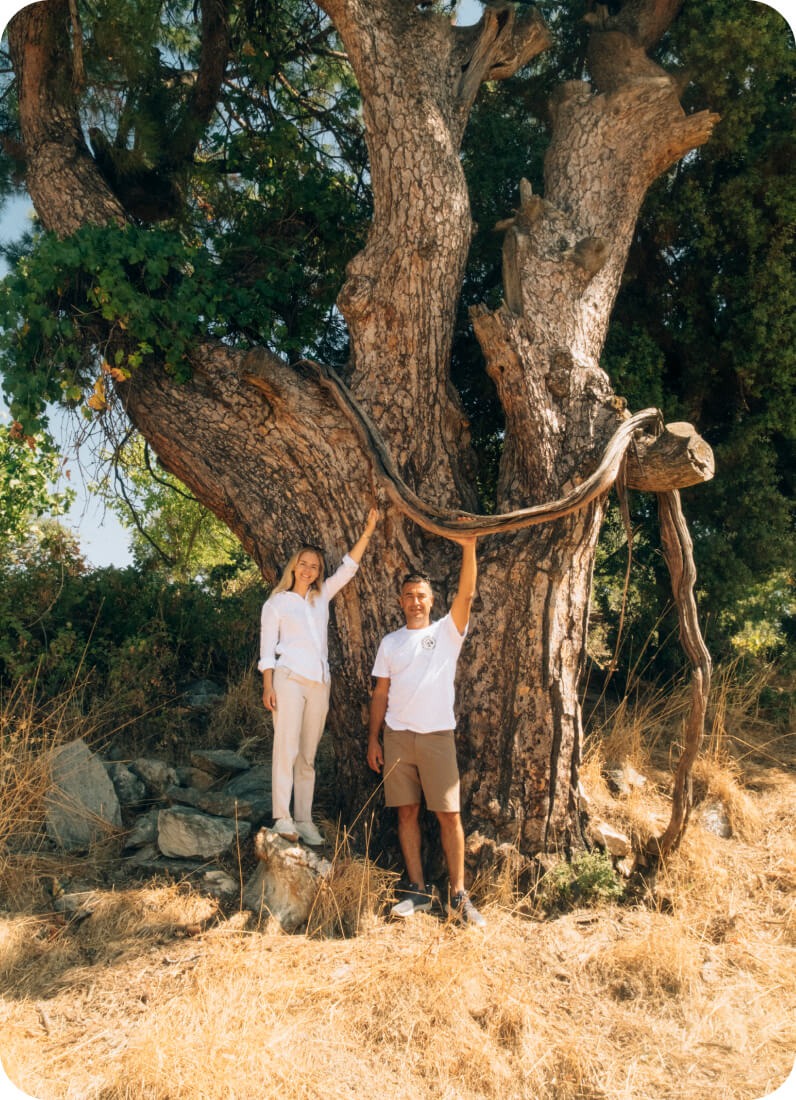
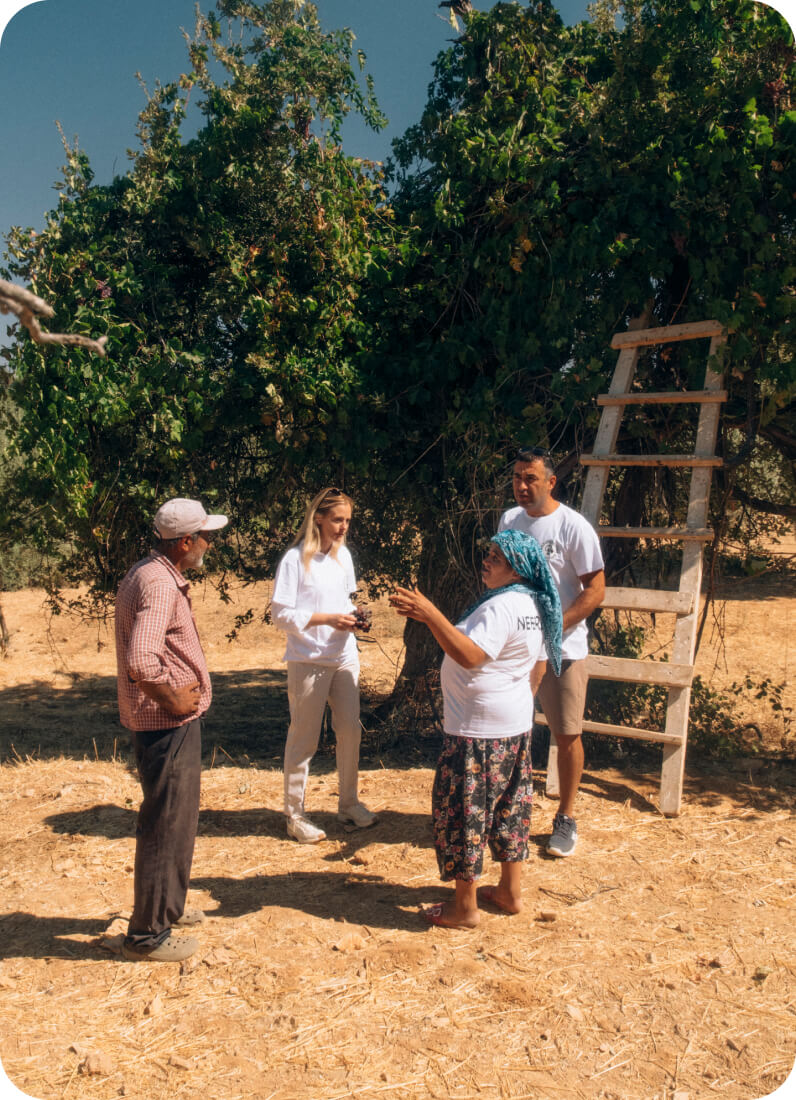
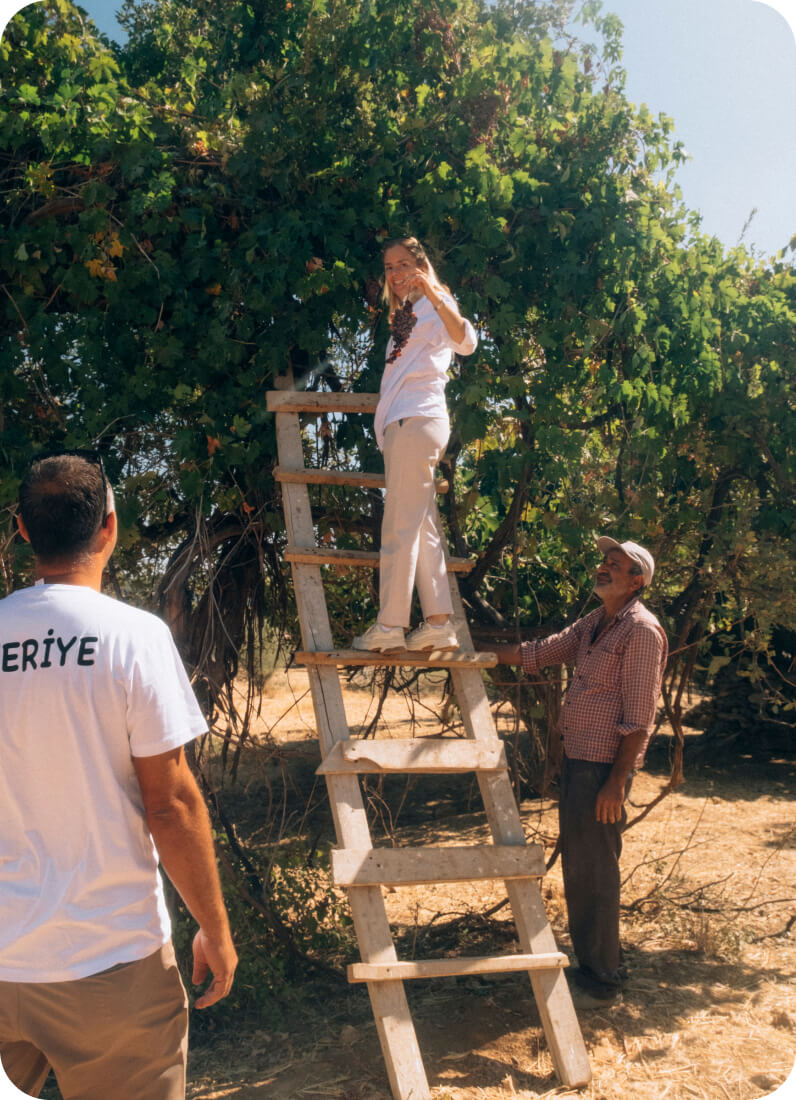
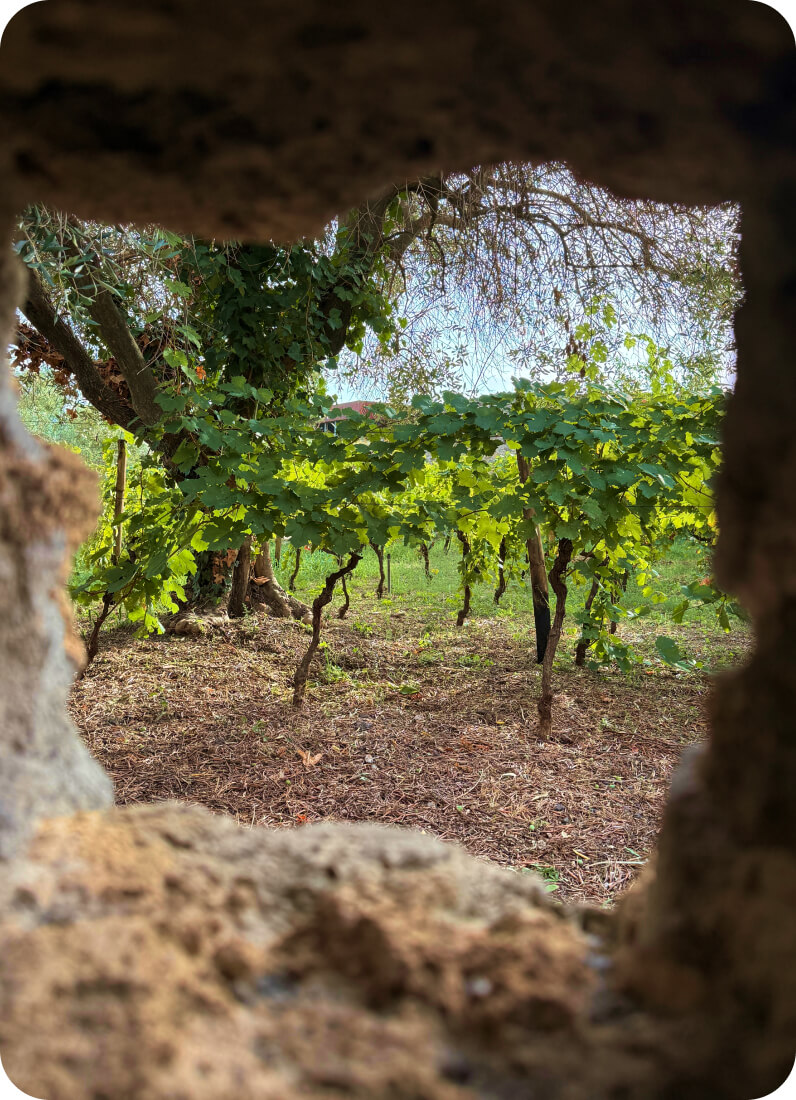
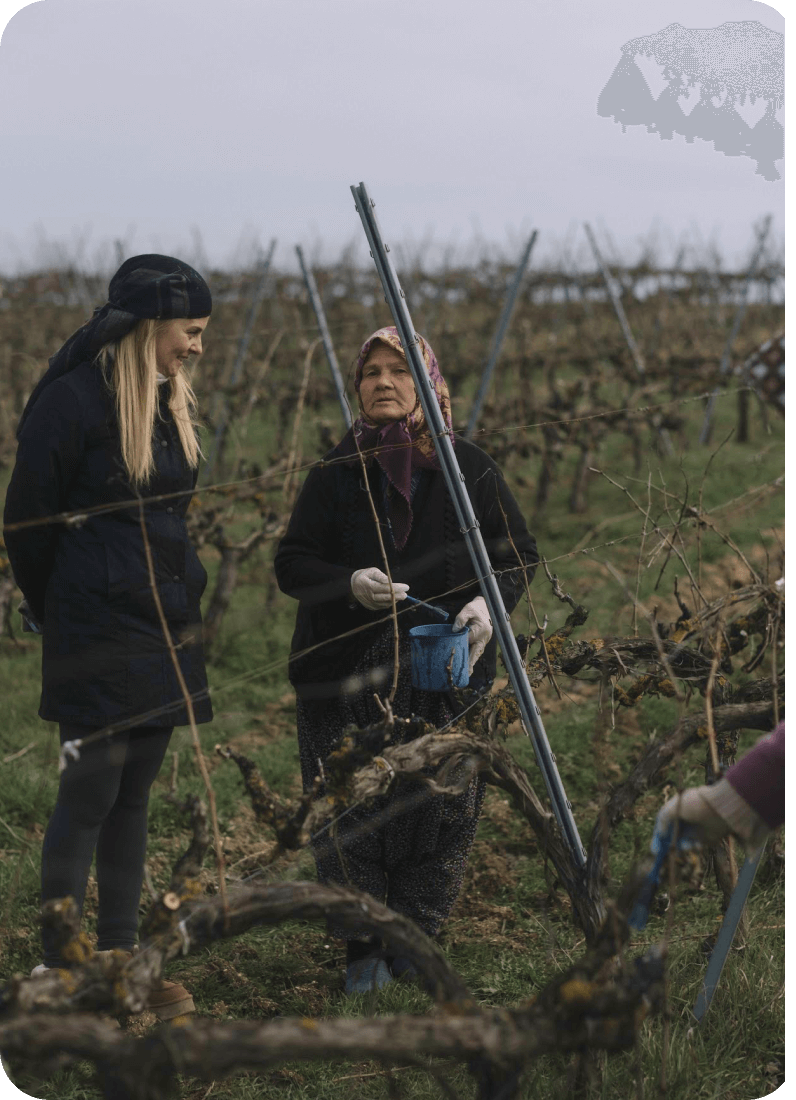
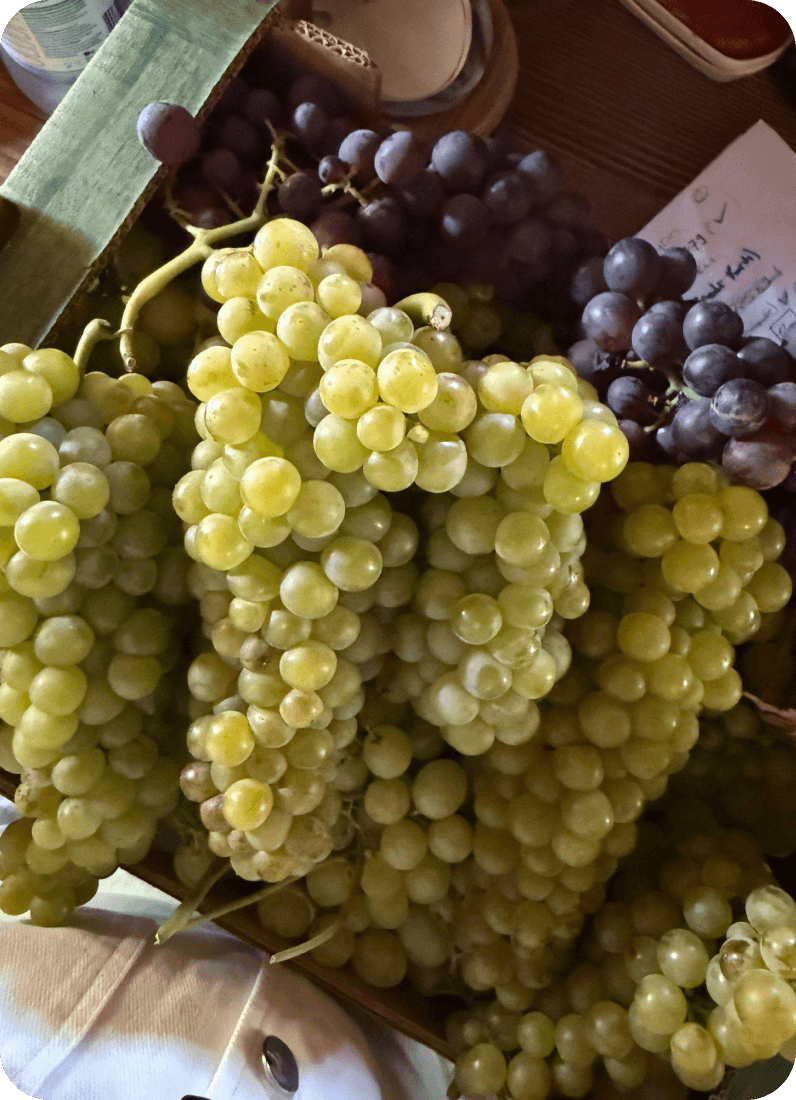
We visited Neferiye Winery to see an old viticultural tradition still alive in the hills of Bodrum, where vines grow intertwined with trees a practice known as "married vines."
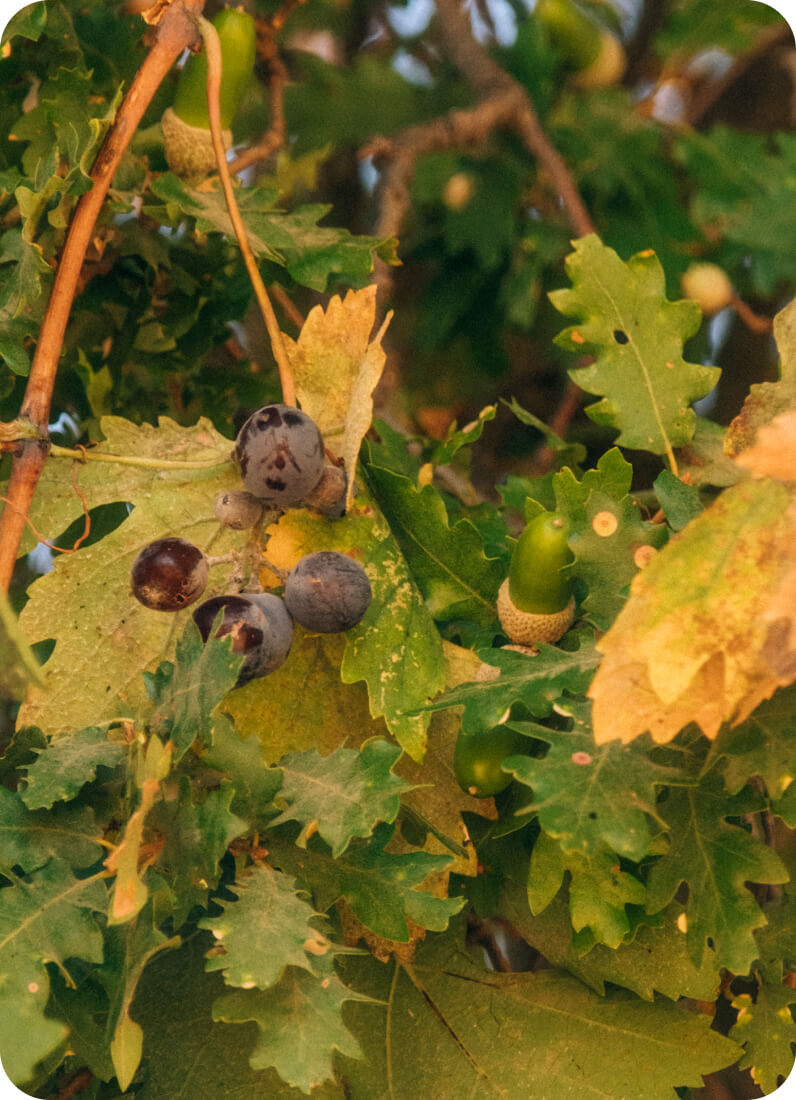
Grapes on one branch, acorns just beside them. Vines and trees have shared this land for generations, preserving a remarkable part of the region's heritage.
Today, we feature natural wines made from these vineyards on the Vino Locale wine list. Knowing where they come from, and having the chance to experience these vineyards firsthand, is an important part of why we choose to pour them.
Neferiye Winery, Bodrum
🌋 The Bornova Misketi Initiative Comes to Pompeii
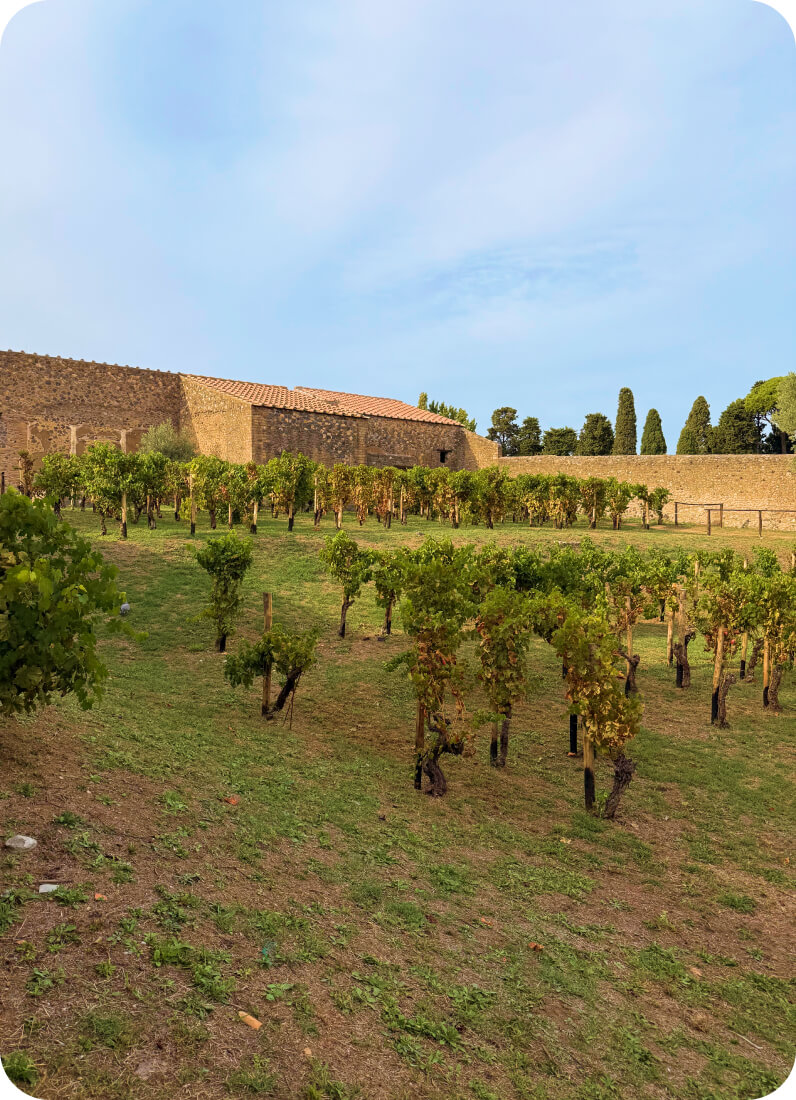
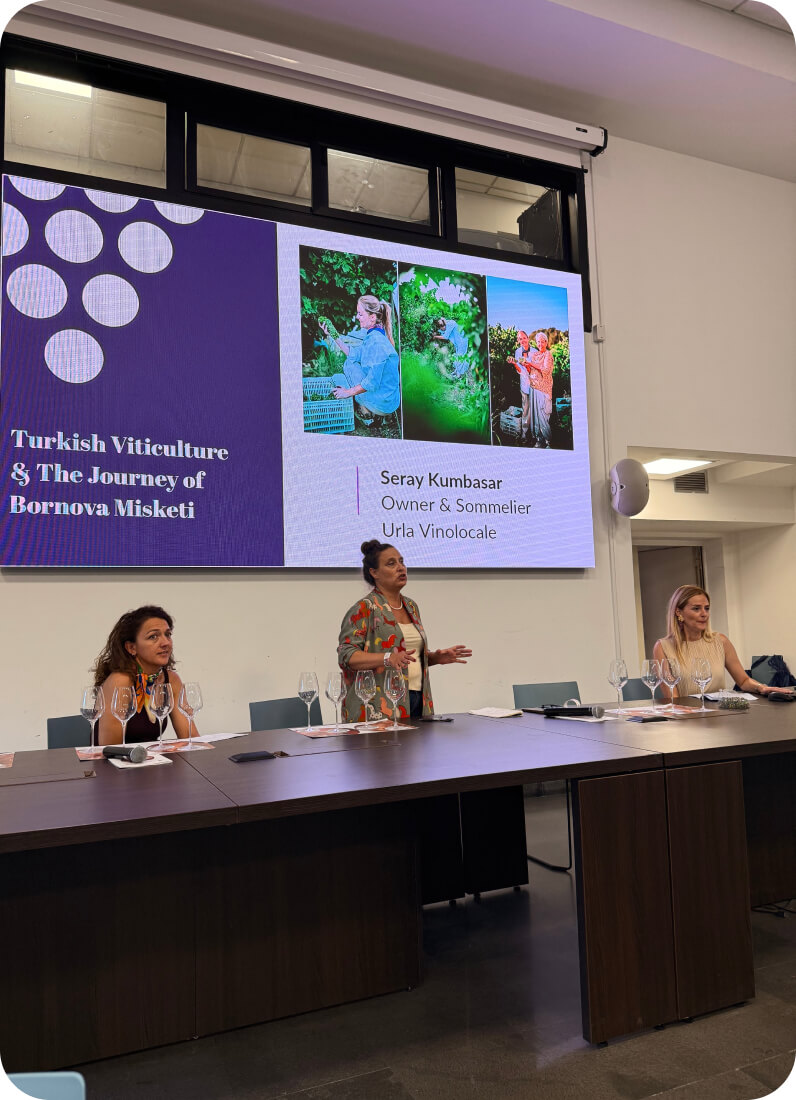
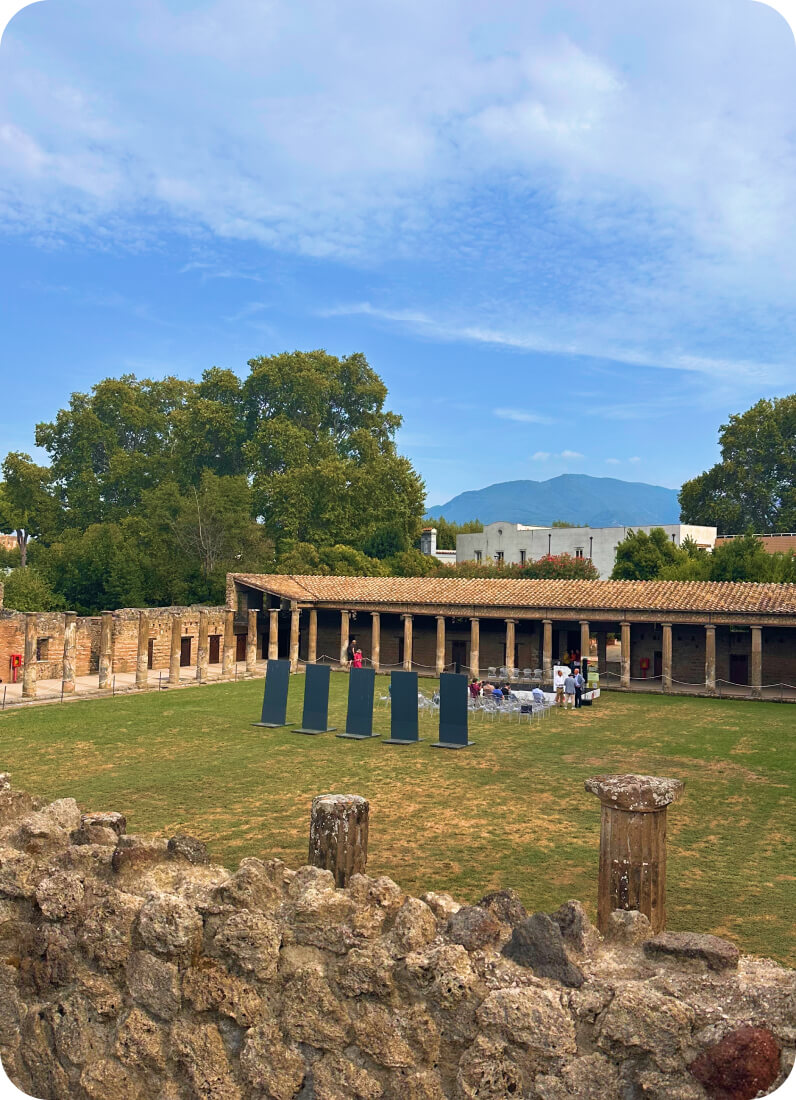
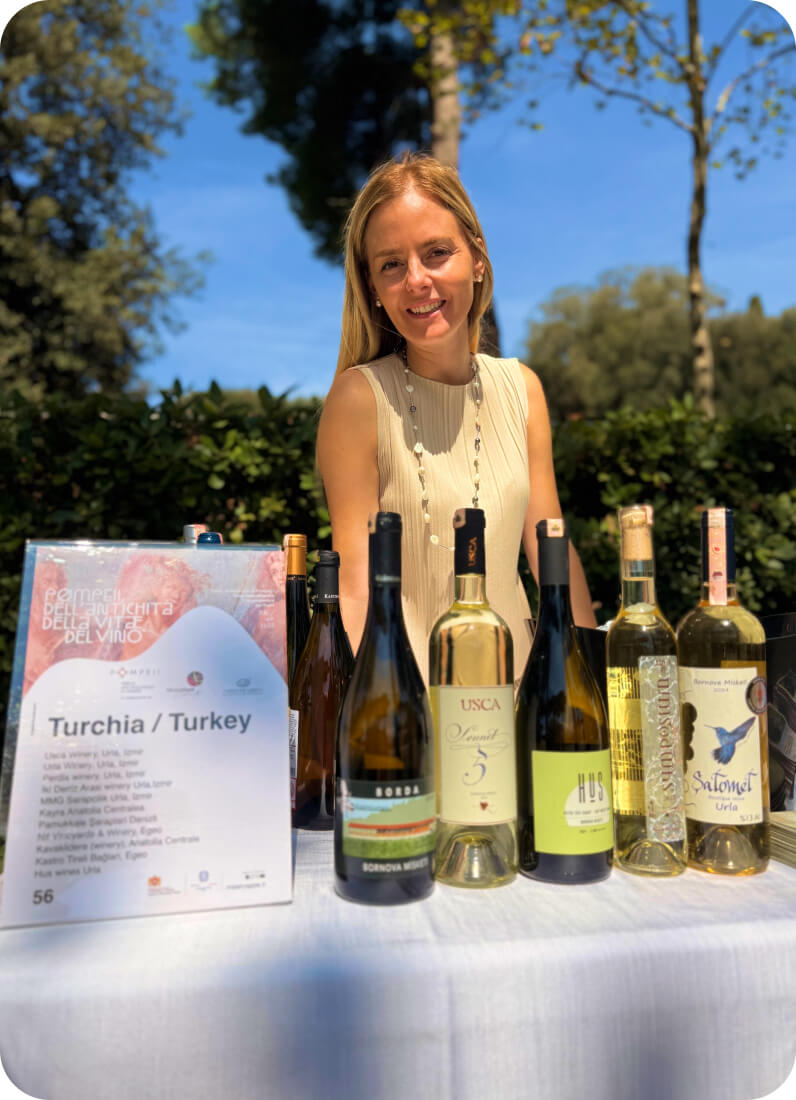
In September 2025, we had the opportunity to bring Bornova Misketi, a grape variety we have been studying and working with in Türkiye for many years, to an international audience at the "Mistery Apple" event held at the Archaeological Park of Pompeii.
Bornova Misketi is one of Türkiye's oldest grape varieties. Our work with the grape began with a desire to explore its history, the different regions where it is grown today, and the ways in which producers across Türkiye interpret it through their vineyards and wines. After a series of studies and tastings in Türkiye, we took this work to Pompeii.
Together with Işık Gülçubuk, MSc in Viticulture & Enology, we presented a broad perspective on Turkish viticulture and winemaking, from the development of the country's wine culture and the history of Bornova Misketi to its expression across different terroirs, production methods, and the effects of climate change on the grape. The session was moderated by Elvan Uysal Bottoni.
For us, it was important not only to talk about Bornova Misketi, but also to show how it is being produced in Türkiye today and how the same grape can take on different expressions in the hands of different producers. We therefore brought Misket wines from producers across Türkiye to Pompeii. During the tasting, we explored together how the same grape can evolve through different soils, climates, and approaches to winemaking.
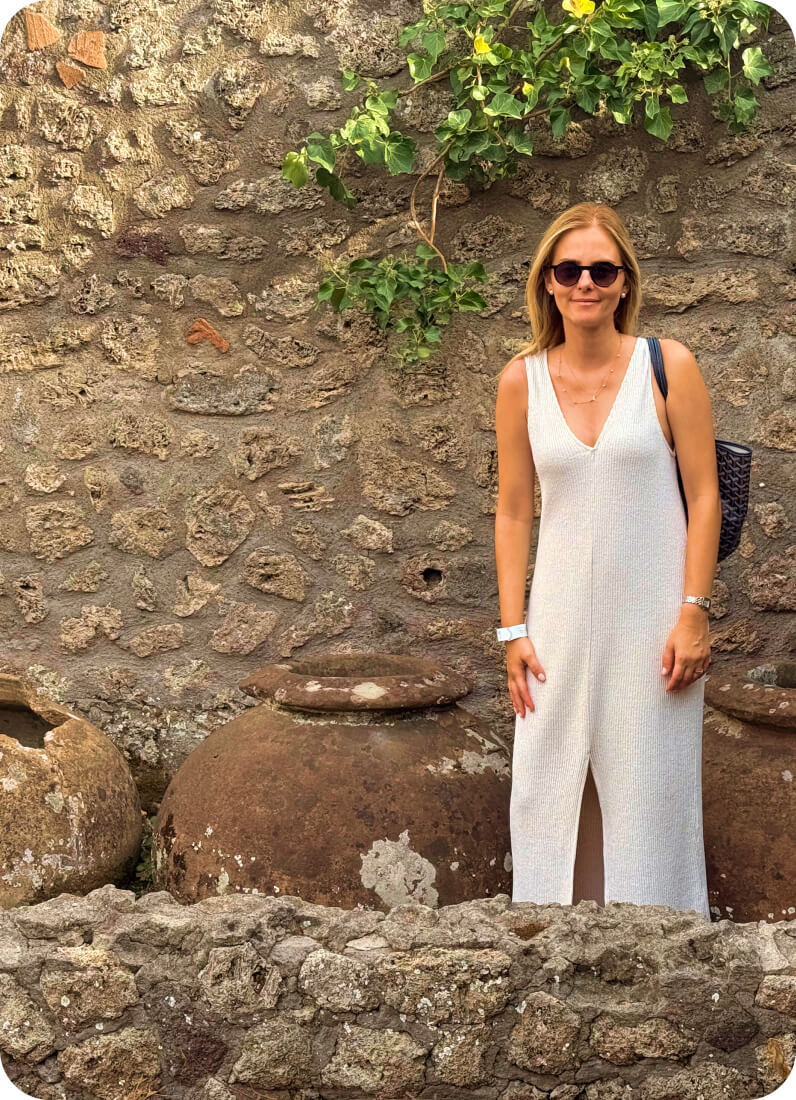
It was particularly meaningful for us to continue this work in Pompeii, a place that was once an important centre of viticulture and wine culture thousands of years ago. With the contributions of Işık Gülçubuk and Elvan Uysal Bottoni, and with the dedication of the producers who continue to work with this grape, we had the opportunity to share Bornova Misketi with an international audience in a place where the history of wine is still so deeply present.
🍄 From Truffle Hunts to Vineyard Visits
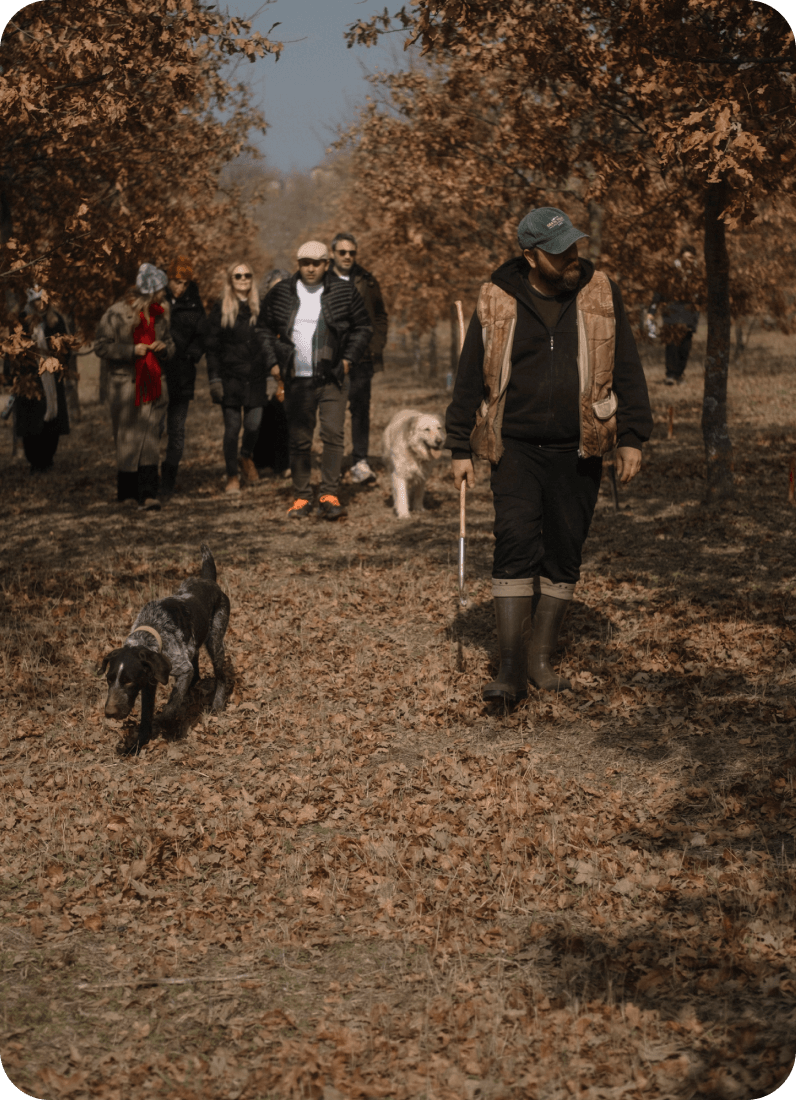
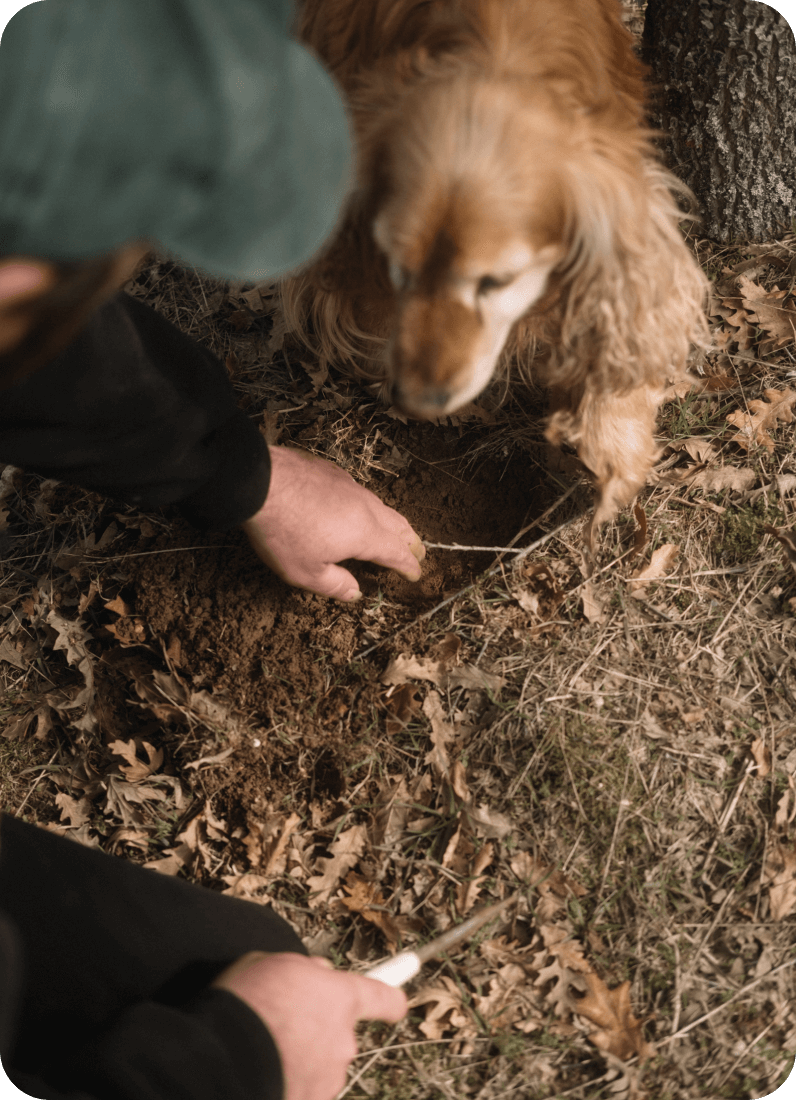
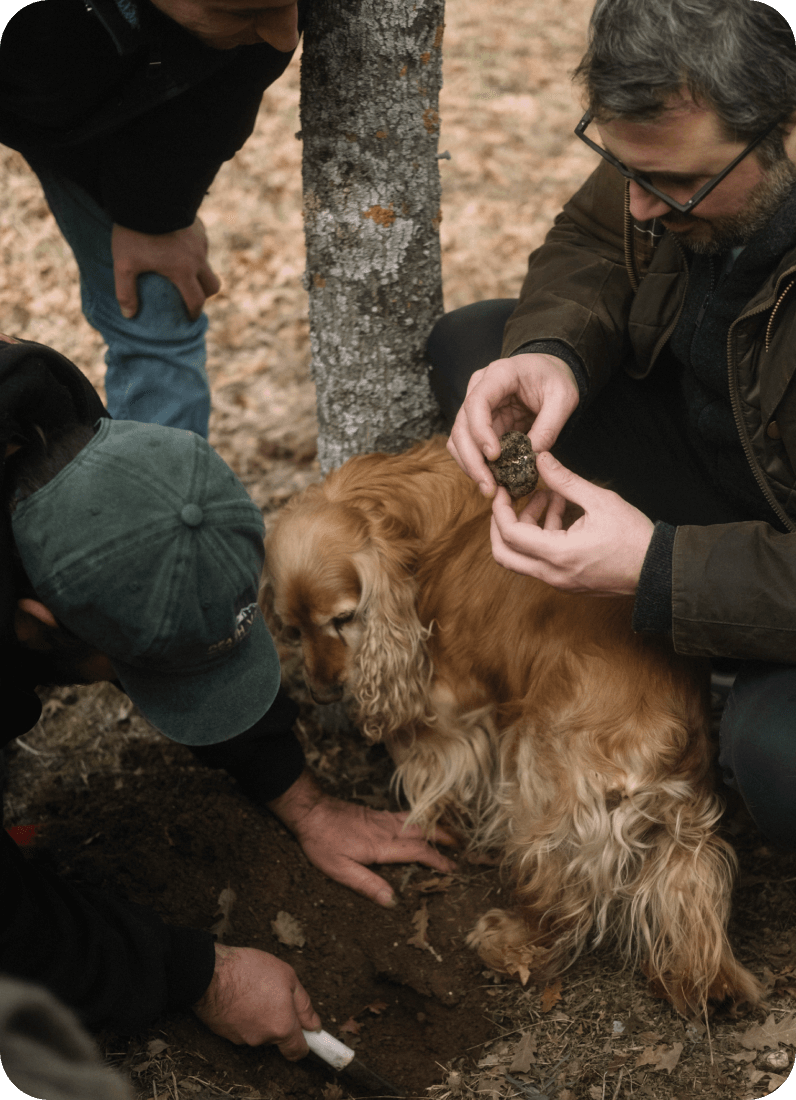
At the start of the year, our team-alongside expertly trained dogs-ventured into the oak forests of Lüleburgaz, home to the Arcadia vineyards, for our inaugural truffle hunt. During these days in Thrace, we had the privilege of learning directly from winery owner Zeynep Arca, who shared invaluable insights into the region's terroir, climate, and the unique characteristics of its grapes.
Now, every sip at our table carries a richer tale: the land's generosity, the craft of its people, and our shared commitment to celebrating nature's gifts.
🍶 Koji Unlocks a New Layer in the Kitchen
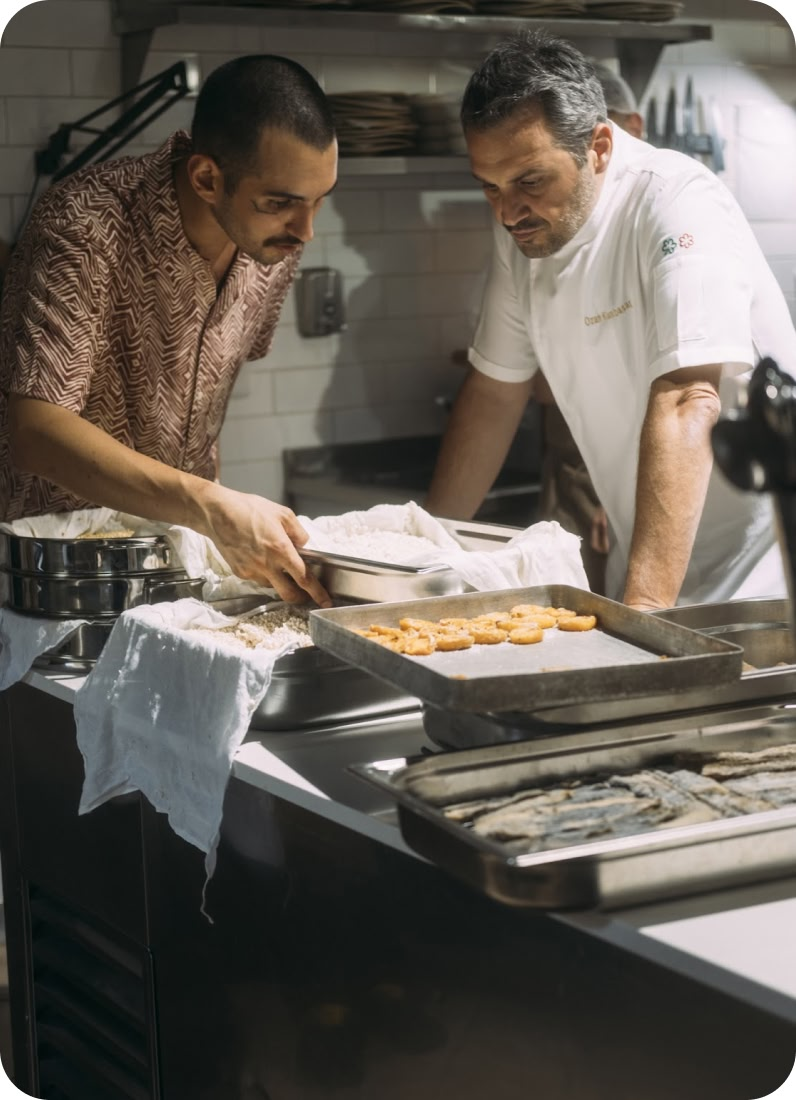
Our kitchen team recently completed an intensive four-day koji fermentation training, exploring the art of transforming humble ingredients into umami-rich staples.
By repurposing often-overlooked elements such as asparagus stems and corn cobs, we've created our own amazake, miso, and shoyu. These techniques now leave a subtle yet profound imprint on many of the dishes on our menu, introducing new layers of flavor while reinforcing our commitment to low-waste, ingredient-driven cooking.
🍷 Wine Knowledge Deepens Across Our Service Team
Our service team recently completed an in-depth training with Sabiha Apaydın, one of Turkey's leading wine experts, focused on natural wines and the ancient viticultural traditions of Anatolia.
This allows us to offer more than just taste at the table, we now share the origin of each wine, the story of the vineyard, and the philosophy of its maker. Each glass reflects a respectful harmony with nature; each conversation honors the soil, the producer, and a deeply rooted commitment to sustainable craftsmanship.
🍇 An Open Call for Bornova Misket
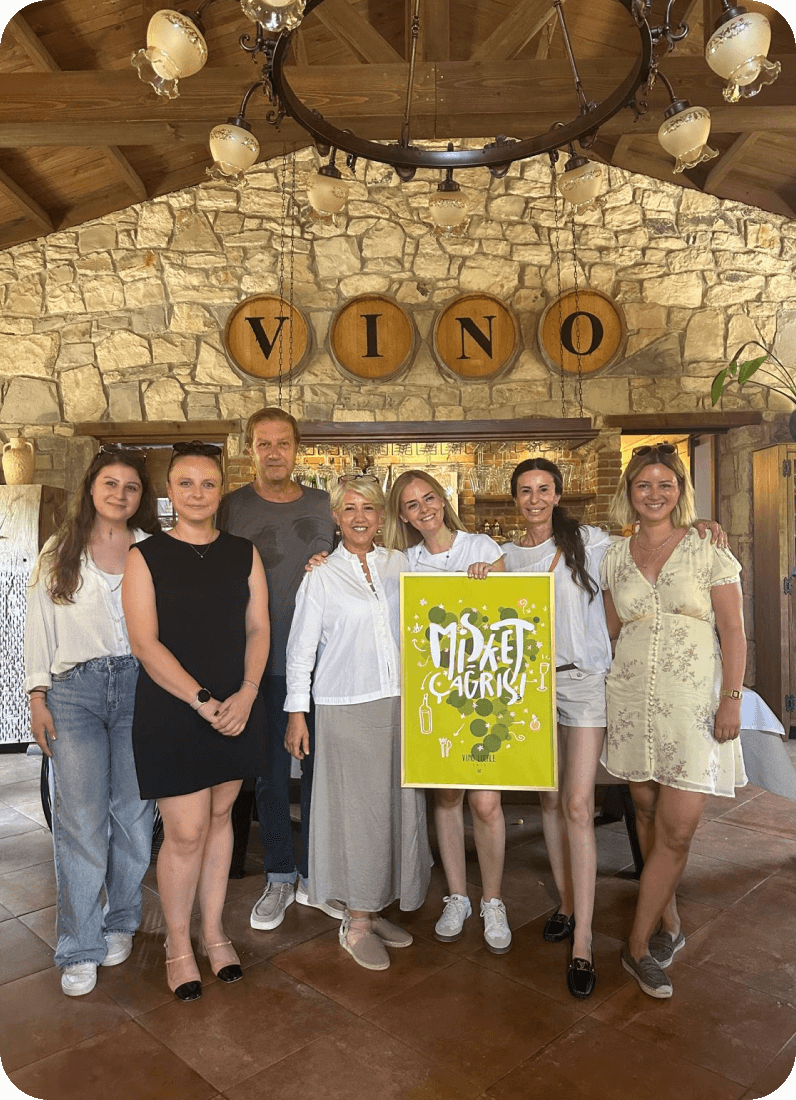
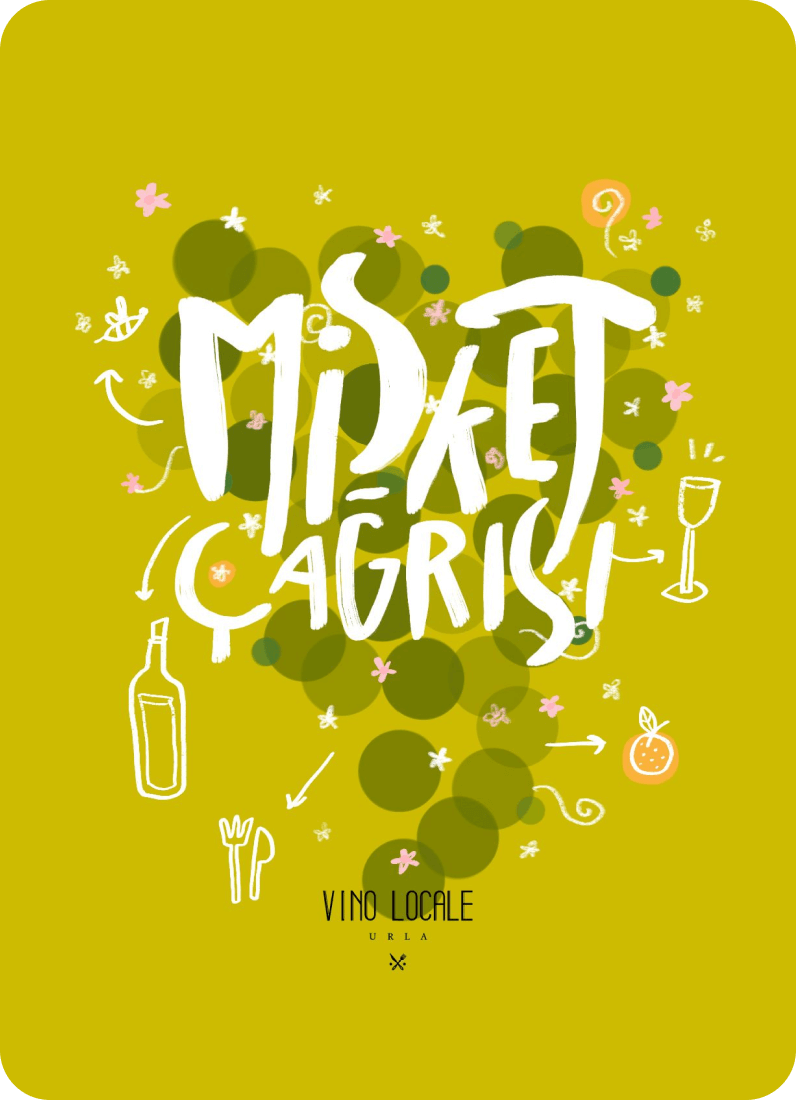
On July 24, we issued an open call for Bornova Misket, the indigenous grape of our city, İzmir. We welcomed all producers of this unique variety from across Türkiye to Vino Locale.
The proceeds from our guests that evening were donated to support genetic research on Bornova Misket, to be conducted at Institut Agro Montpellier.
This was more than a tasting, it was a collective commitment to preserving the roots of a grape, and the cultural and agricultural heritage it represents.
🧿 A Sculpture, A Thank You-Honouring the Women of Anatolia
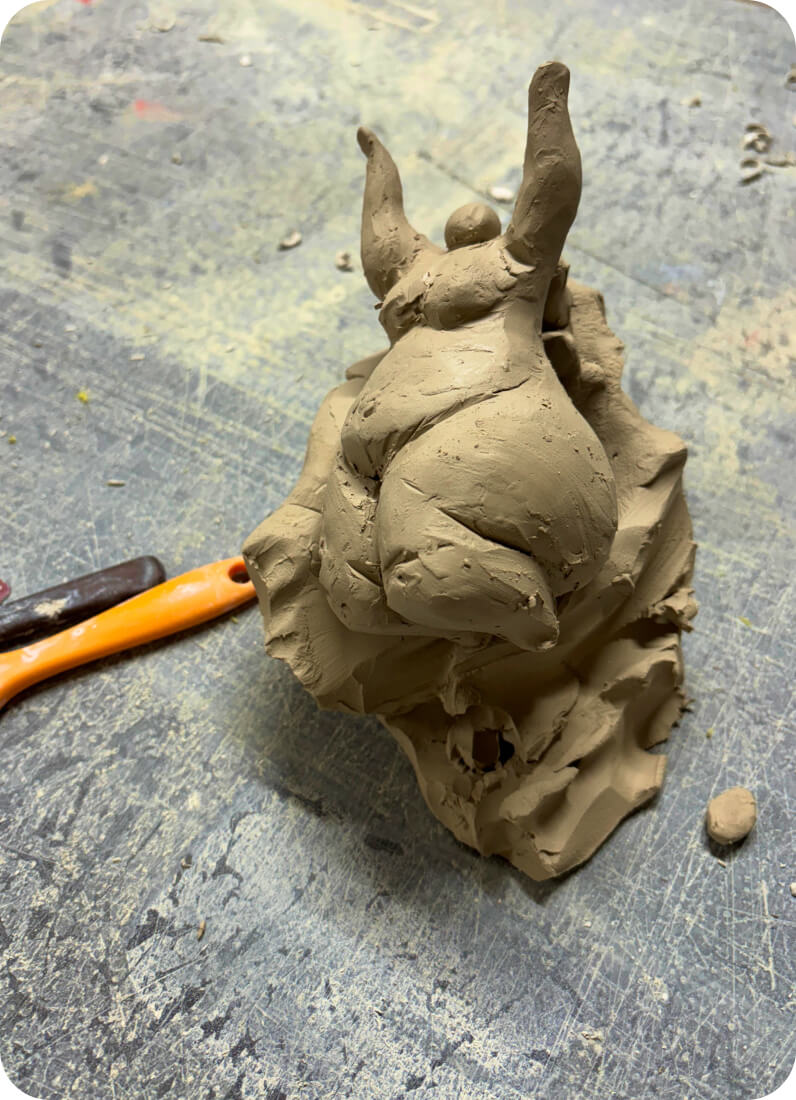
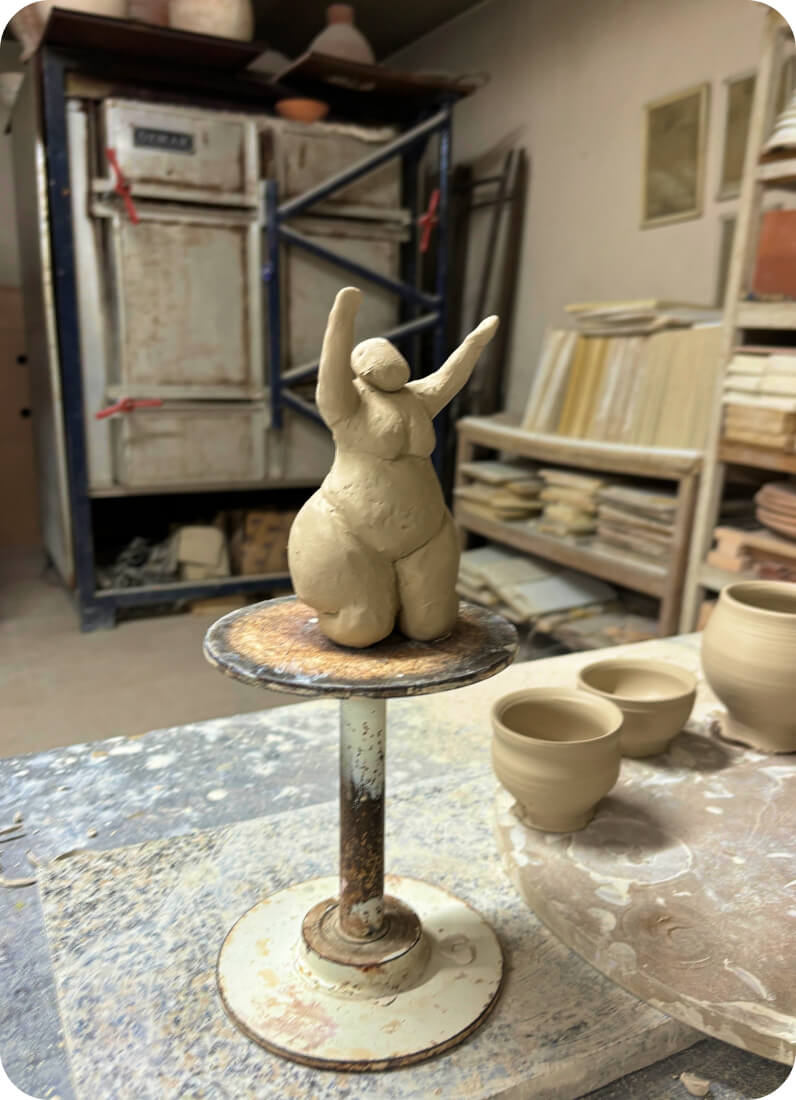
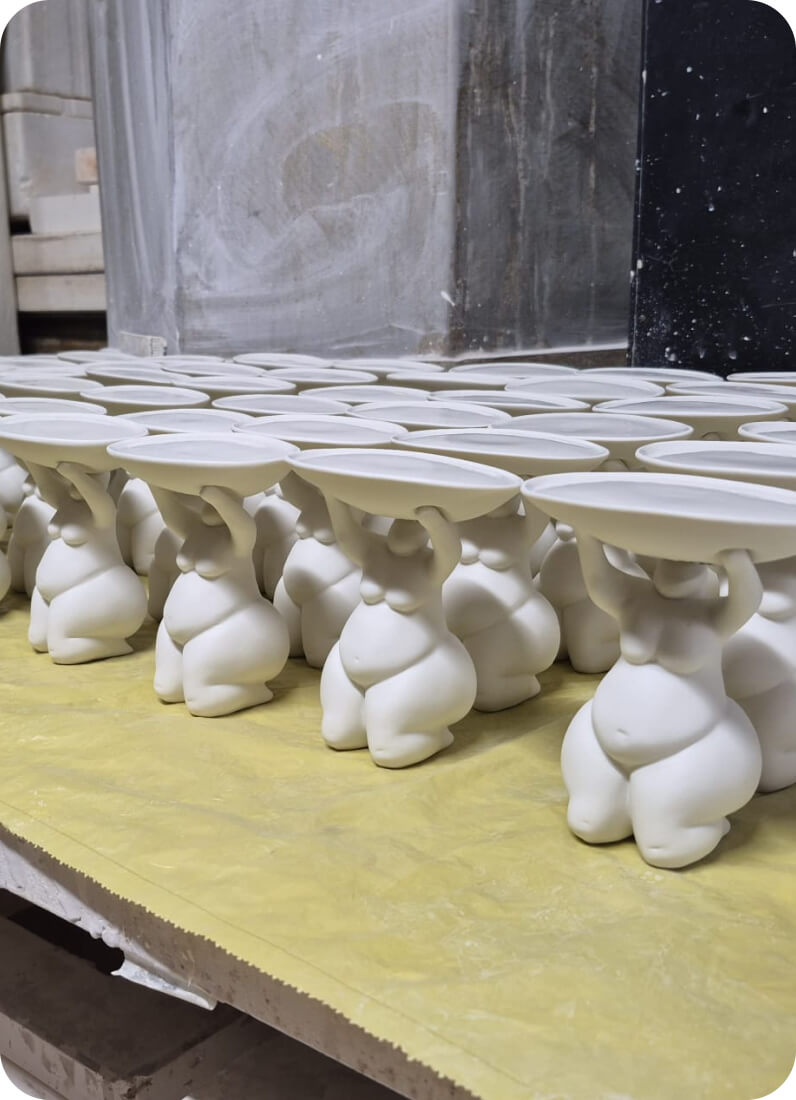
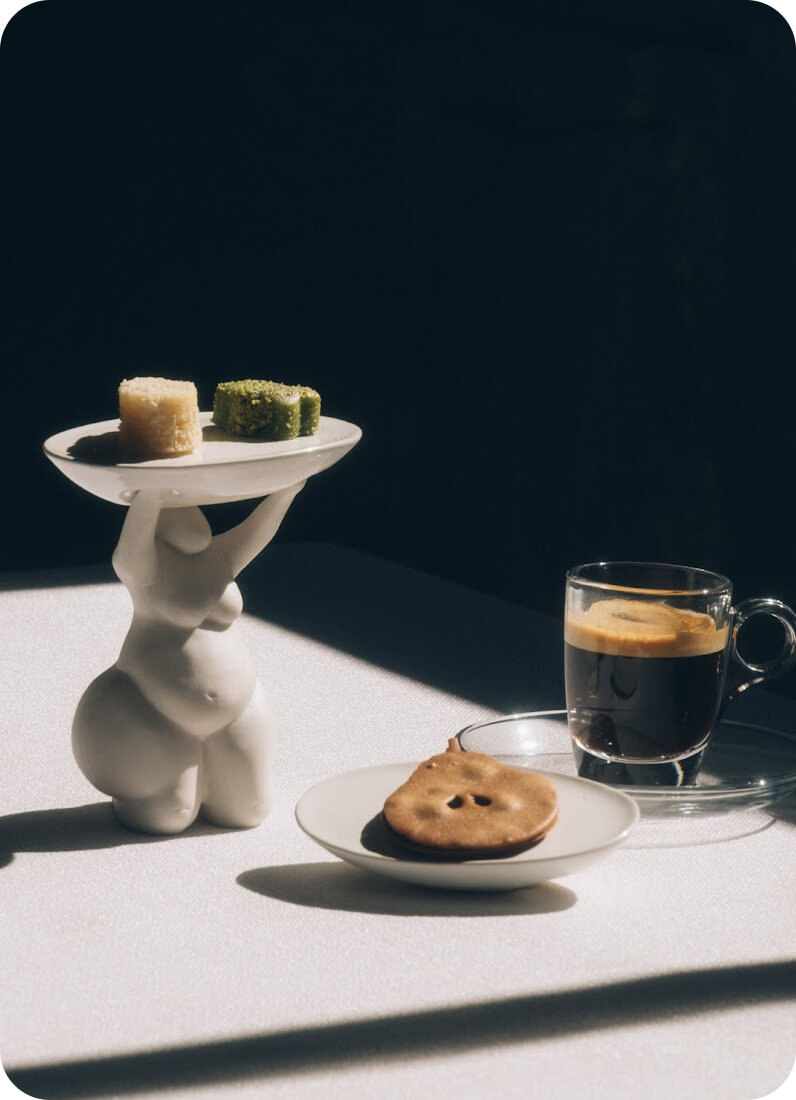
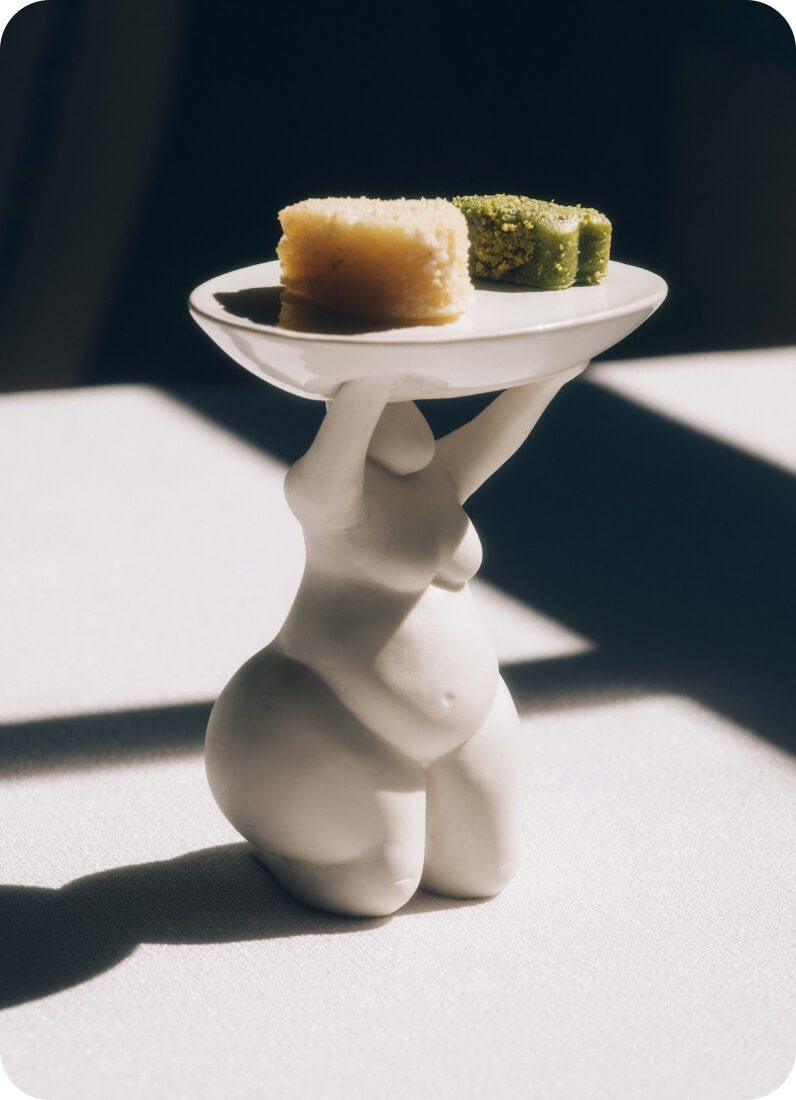
In collaboration with young ceramic artist Leyla Borovalı who, like us, grew up on this land in Urla, we are proud to introduce Kybele: Women of Anatolia, a sculpture created exclusively for Vino Locale. The piece pays tribute to the strength and creativity of Anatolian women, whose spirit continues to inspire our work every day.
As a gesture of gratitude to all the women who shape our restaurant, each meal ends with a petit four served on a handcrafted Kybele plate, an edible thank-you, rooted in tradition and care.
🍋 Supporting Girls' Dreams Through Lemon Parfait
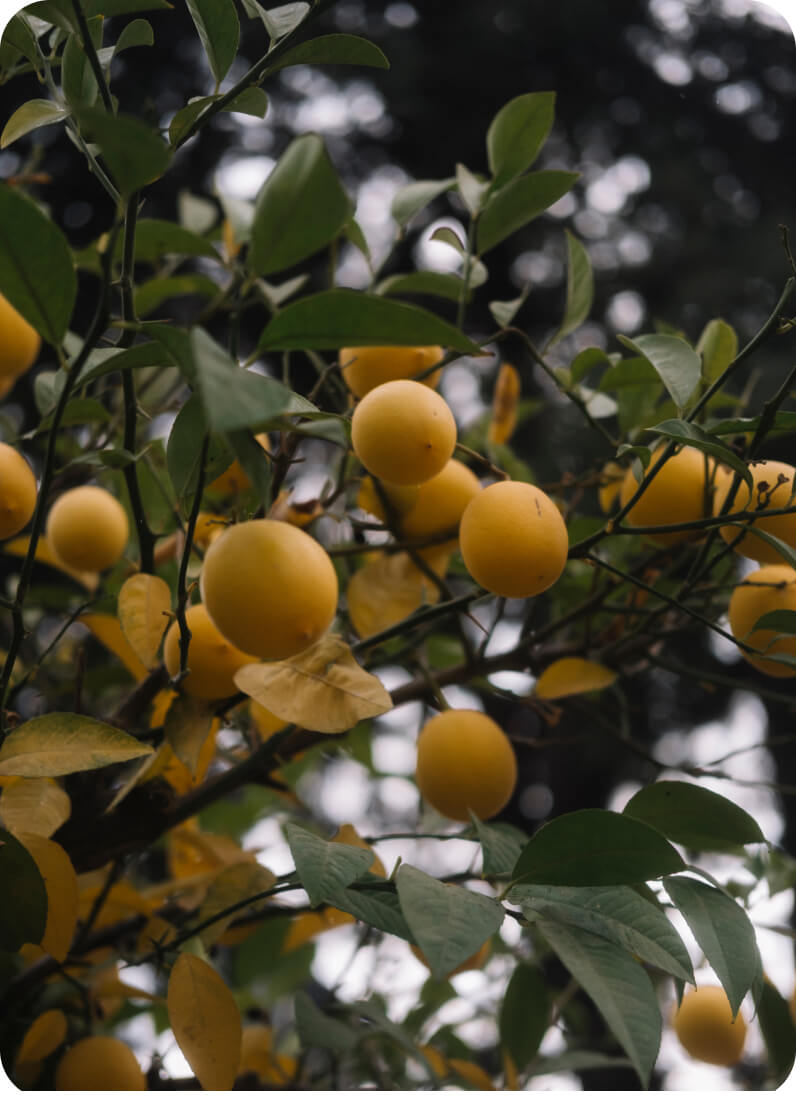
Since the day we opened, one dessert has never left our menu: our chef's mother's lemon parfait. At just six years old, he declared, "One day I will be a chef, and this dessert will be on my menu." Today, with that dream fulfilled, this dessert is more than a flavor-it has become a symbol of sharing and of dreams turning into reality.
Inspired by this heartfelt bond, we dedicate the proceeds from our lemon parfait to support the education of 22 girls in need at Koruncuk Village in Urla.
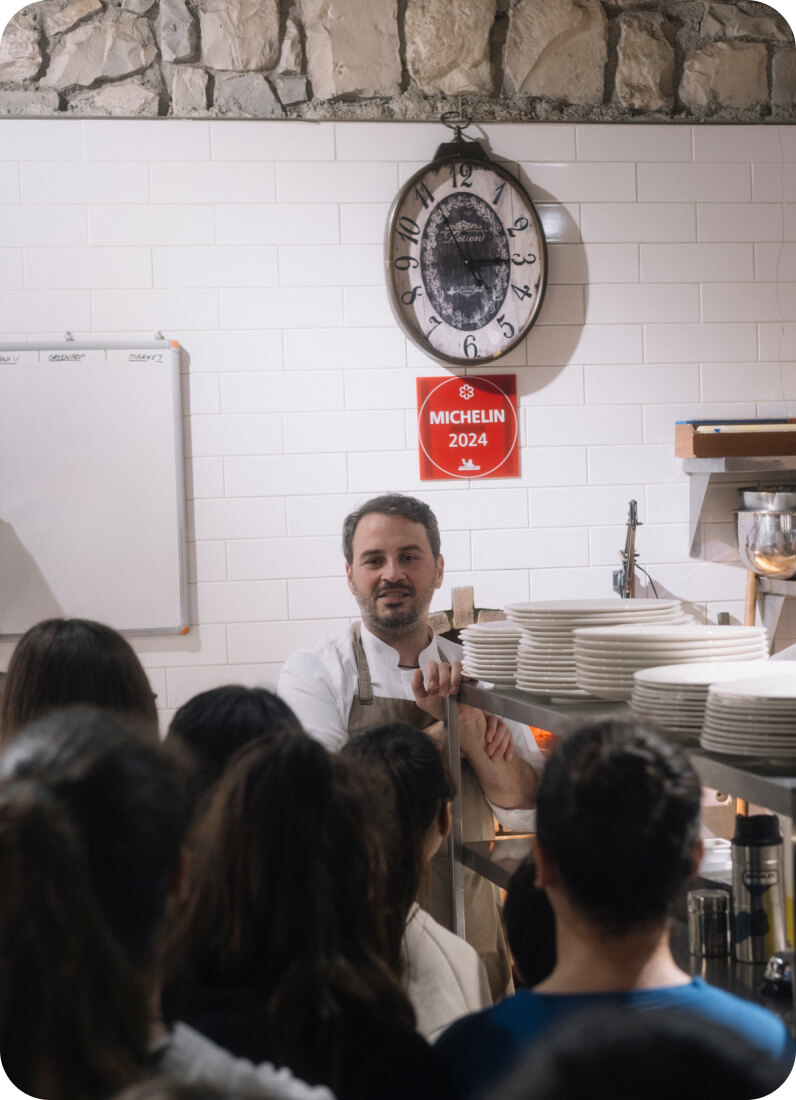
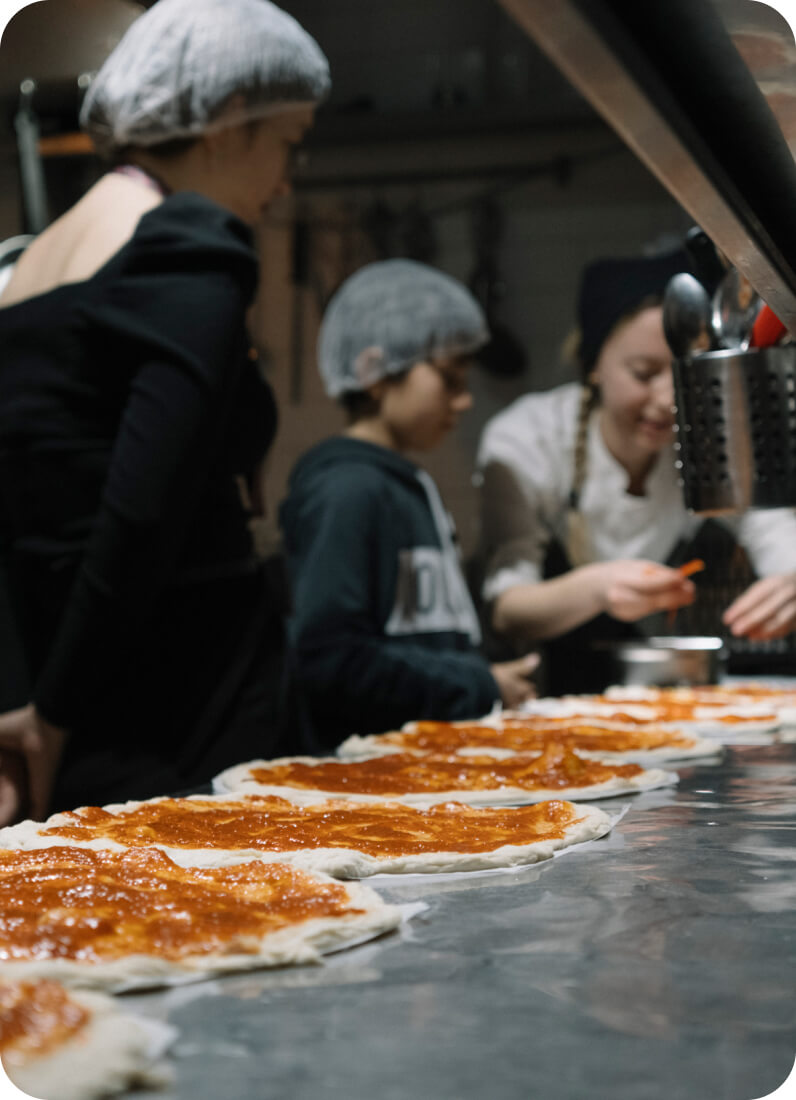
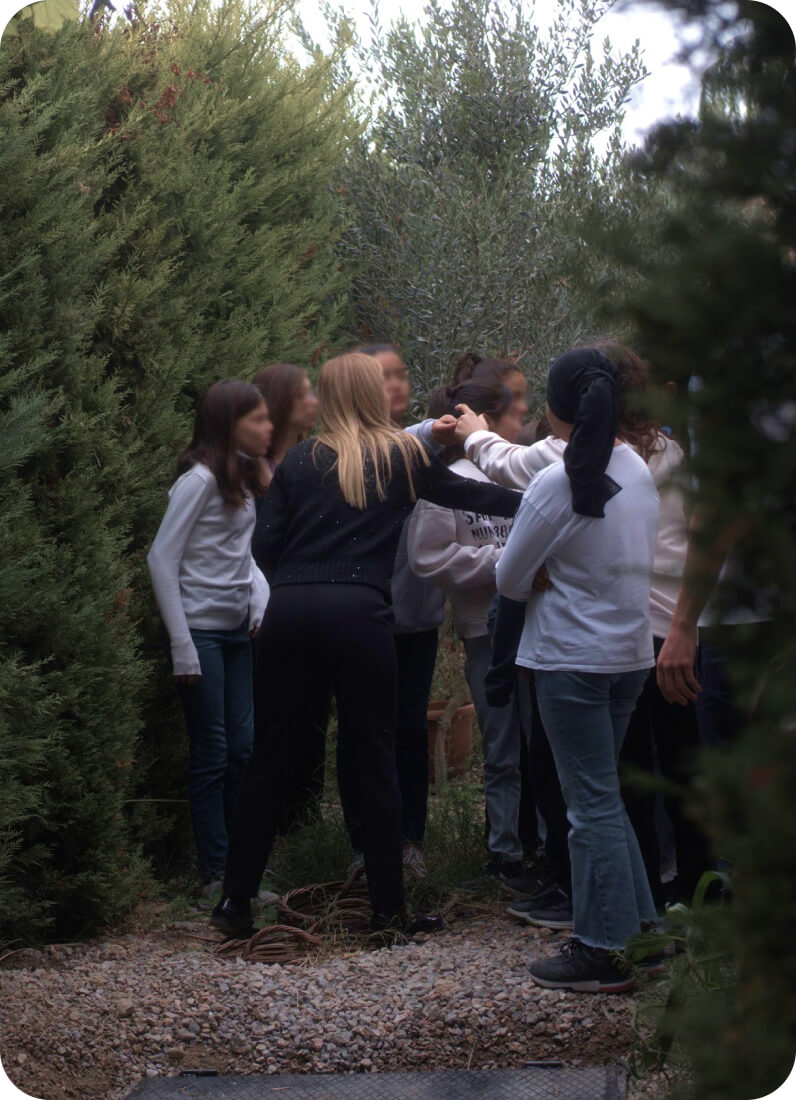
This year, we welcomed them to our restaurant for the very first time. Cooking side by side in the kitchen was an unforgettable joy for us all. Among them are four young girls who dream of becoming chefs, and we look forward to the day we can embrace them as part of our team.
As we reflect on a year marked by deeper connections with the land, enriched by knowledge, and strengthened by one another, we remain committed to creating, learning, and sharing every step of the way.
Here's to new seasons, new discoveries, and meaningful encounters ahead.
With love,
The Vino Locale Team